Aligning Deposit Limit Tools with Accumulator Planning for Sustainable Football Wagering
Uma Foster · Jul 15, 2026

Aligning Deposit Limit Tools with Accumulator Planning for Sustainable Football Wagering
Deposit limit tools allow users to set daily, weekly, or monthly caps on funds transferred into betting accounts, while accumulator planning involves structuring multiple football selections into combined wagers with elevated odds yet heightened risk. Observers note that coordination between these mechanisms supports measured participation across extended seasons, particularly as European leagues prepare for July 2026 fixtures and pre-season markets open.
Core Elements of Deposit Limit Tools
Operators implement deposit limit tools through account dashboards where individuals specify amounts and reset intervals, with many systems enforcing the chosen thresholds automatically once activated. Data from regulatory reviews indicates that these controls reduce unplanned spending spikes during high-volume periods such as weekend football slates, because the limits operate independently of promotional incentives or live betting prompts. Researchers have documented cases where participants who adjusted caps ahead of major tournaments maintained steadier account balances compared with those who left limits at default settings.
Accumulator Planning Fundamentals
Accumulator planning requires bettors to select several football outcomes, combine them into one ticket, and calculate the compounded odds against total stake size, a process that amplifies both potential returns and variance. Studies reveal that successful planning often incorporates probability weighting for each leg, bankroll allocation rules that cap individual stake percentages, and contingency adjustments for late team news or weather variables. Those who study accumulator patterns observe that breaking selections into smaller groups rather than single large tickets can moderate drawdown exposure while still pursuing enhanced payouts.
Integration Approaches
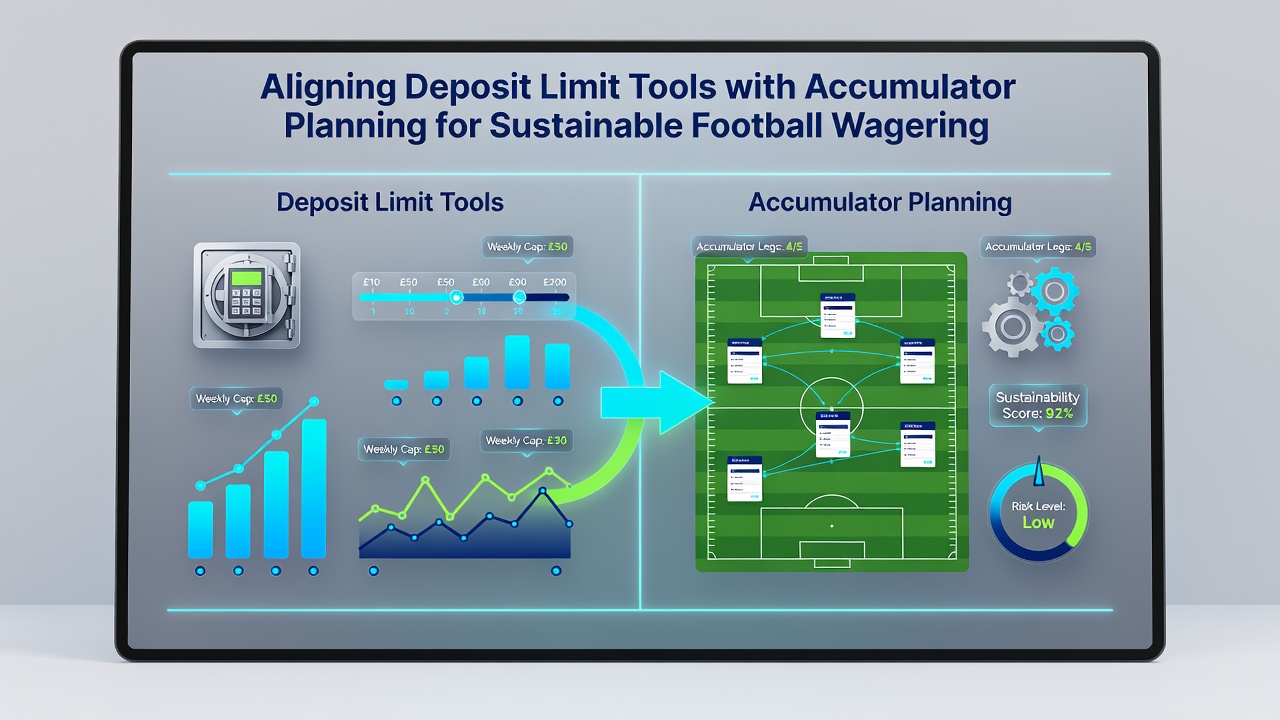
Alignment begins when users calculate an accumulator budget that fits inside an established deposit cap, ensuring that planned stakes across multiple weekends do not exceed the preset threshold. Experts have observed that linking these elements involves forecasting total outlay for an upcoming matchweek, dividing that figure by remaining deposit allowance, and adjusting accumulator size accordingly. In one documented approach, participants set a weekly deposit ceiling then allocated no more than 30 percent of that ceiling to accumulators, reserving the balance for single-match wagers or cash reserves.
Software features now permit users to preview accumulator costs against current limit balances before confirmation, a function that surfaces remaining headroom in real time. Figures from industry reports show higher adherence rates when such previews appear at the point of stake entry rather than after the fact. This integration becomes particularly relevant in July 2026, when overlapping international qualifiers and domestic friendlies increase the number of available accumulator markets within short timeframes.
Practical Application During Peak Periods
Football calendars create concentrated betting windows around league restarts and cup competitions, periods when accumulator volumes typically rise. Those who coordinate limits with planning often schedule accumulator construction sessions on days when fresh deposit allowance resets, thereby distributing spend evenly. Research from academic sources indicates that pre-committing accumulator stakes to specific dates within a capped week reduces impulsive additions later in the cycle, because the remaining allowance is already earmarked.
Operators have introduced optional alerts that flag when an accumulator selection would push cumulative deposits near the chosen ceiling, giving users an opportunity to scale back legs or stakes before submission. Data shows these alerts correlate with fewer instances of limit breaches during summer transfer windows and early season build-up matches. Participants who combine the alerts with weekly planning spreadsheets further refine their approach by logging projected versus actual spend after each round of fixtures.
Supporting Data and External References
Analyses conducted by the National Council on Problem Gambling highlight that structured spending controls paired with outcome-based wagering strategies can sustain longer-term engagement without accelerated depletion of funds. Separate findings from Monash University researchers in Australia demonstrate that bettors who align limit tools with multi-leg planning exhibit lower variance in monthly net position compared with those using either method in isolation. These patterns hold across different regulatory environments and do not depend on jurisdiction-specific rules.
Conclusion
Deposit limit tools and accumulator planning achieve greater effectiveness when users treat them as interdependent components rather than separate functions, a practice supported by usage data and academic observations. As football schedules intensify through July 2026 and beyond, the same coordination principles remain applicable for maintaining consistent participation boundaries across varying market conditions.