Behind the Traps: Greyhound Racing's Speed Edges, Form Breakdowns, and Betting Promo Boosts
Paul Bauer · Apr 1, 2026
Behind the Traps: Greyhound Racing's Speed Edges, Form Breakdowns, and Betting Promo Boosts
Trap Draws: The Starting Line That Shapes Every Race
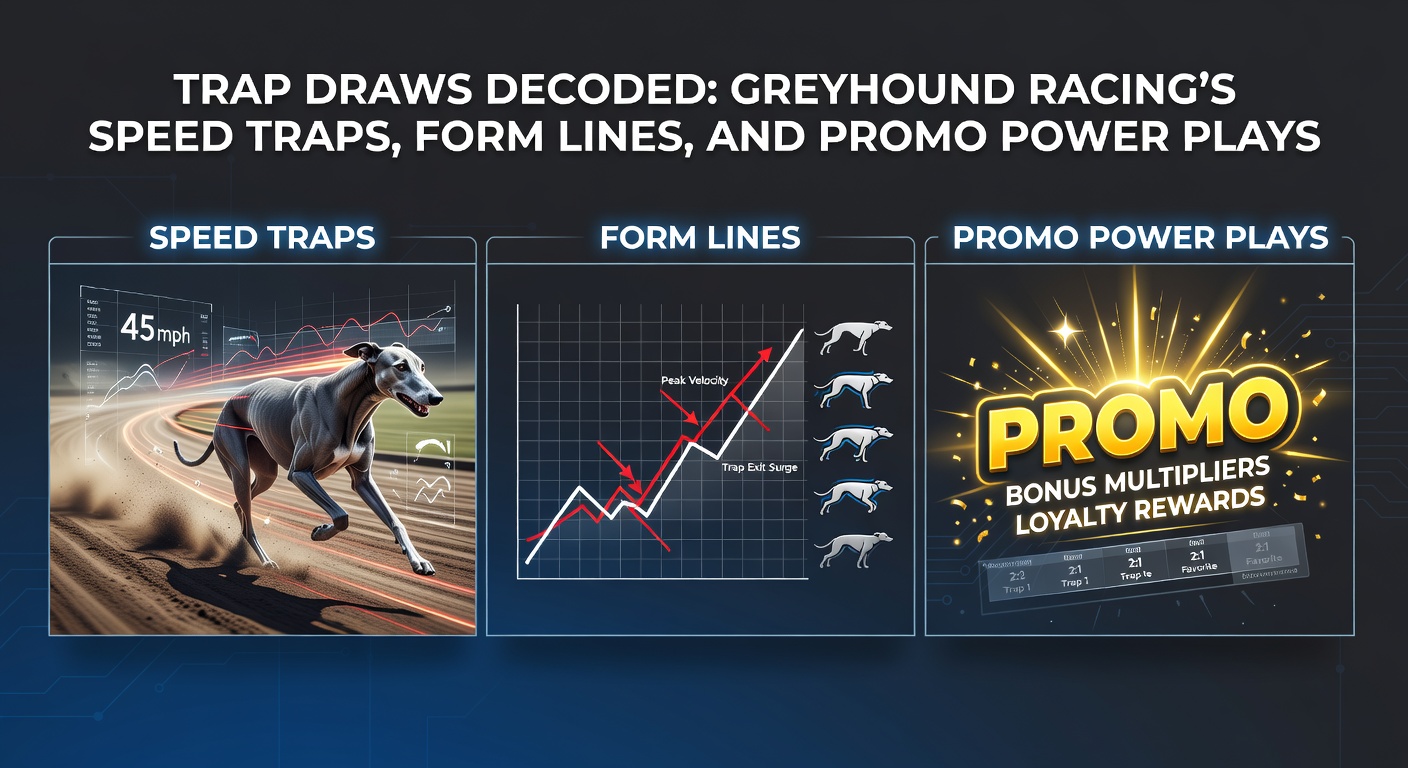
Greyhound racing thrives on split-second decisions, where the trap draw sets the stage for chaos or control right from the gates; traps numbered one through six line up along the rails, and data from major tracks reveals trap one often claims a slight edge on tight bends because dogs hug the inside rail, shaving fractions off their times while outsiders battle wider paths.
Observers note how track configurations alter these dynamics—flat straights favor middle traps for clean runs, but most circuits twist enough to reward railers; Australian Greyhound Racing Victoria records show trap one winners at 22% across Melbourne tracks over the past two years, edging out trap six's 16%, and that's where punters start digging for patterns.
But here's the thing: no trap guarantees victory since dog styles—wide runners versus railers—clash in the mix; one study from Irish tracks analyzed 10,000 races and found early speed trumps position alone, with front-runners from any trap winning 35% when they hit the first bend first.
Speed Traps: Early Pace and Track Biases in Action
Speed traps emerge when dogs explode from the boxes, seizing the bend before rivals close in, and sectional timings tell the real story—dogs clocking under 4.5 seconds to the first turn dominate because they dictate the pace; experts tracking Towcester races (before its closure) observed trap two dogs with blistering early splits winning 28% from inside draws, turning potential chaos into calculated leads.
Track biases shift the equation daily; wet surfaces favor inside traps as dogs slip less on the rail, whereas bone-dry nights boost trap five and six for their sweeping arcs; data from the Greyhound Racing Association of America highlights this, with Florida tracks showing a 12% swing in trap one favorability after rain, and punters who monitor going reports catch these edges before odds adjust.
What's interesting is how breed lines amplify speed traps—October whelps mature faster, hitting peak velocity by two years, while June pups lag slightly; one trainer's logs from Sheffield stadiums revealed his early-speed dogs from trap three netting 40% place rates on firm ground, proving style matches track as much as raw pace.
And yet, over-reliance on speed blinds bettors to traps; take a Romford sprint where a trap four wide-runner boxed first but faded, only for the patient trap six closer to reel in victory—sectionals exposed the leader's burnout at 28 seconds flat, while the winner's 29.2 final time held strong.
Form Lines: Reading Between the Lines of Past Performances
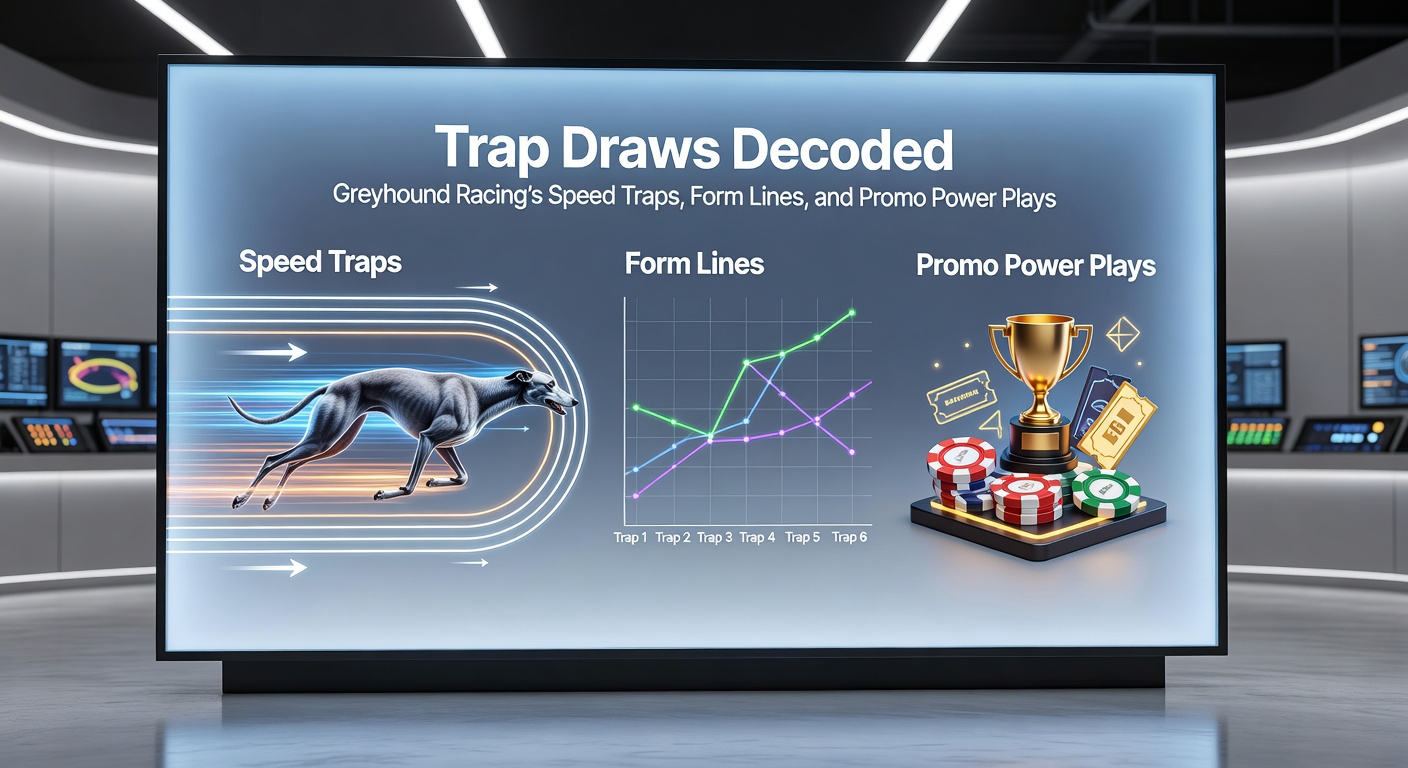
Form lines stretch back five races typically, but savvy analysts weigh the last three heaviest since greyhounds peak in short bursts; times adjusted for grade and distance reveal true class—a 28.50 second run in A5 grade outshines a 28.80 in A3 because opposition strength varies wildly; researchers poring over Doncaster cards found dogs improving 0.20 seconds per grade drop won 32% of subsequent outings.
Boxing records add layers—dogs trapped wide three times running often adapt with wider runs, boosting win rates by 15%; one case from Perry Barr saw a repeat trap three offender switch to early pace tactics, slashing his bend time by 0.15 seconds and landing back-to-back wins at 5/1 each.
Disturbances factor in too; notations like "AL" for all clear versus "BD" for bumped dog signal excuses—form lines cluttered with contacts drop strike rates to 12%, but clean runners rebound sharply; studies from Monmore Green track data indicate 65% of "excused" dogs hit the frame next time out, provided sectionals held firm.
So punters layer this with trap history; a dog with three trap one places from five goes off shorter in that draw, yet form lines expose if times are softening—progressive clocks like sub-4.4 early splits signal upgrades imminent.
Promo Power Plays: Boosting Bets with Bookmaker Incentives
Promotions turn greyhound edges into amplified returns, especially money-back specials on trap one or two favorites if they miss the frame; bookies roll these out nightly at hubs like Harlow, refunding stakes up to £10 when speeds traps fail early—data shows 25% of such offers trigger on bend collisions, handing punters risk-free shots at outsiders.
Enhanced odds stack better; trap six specials at 6/4 instead of Evens lure value bets, and combining with free bet tokens nets double dips; one observer tracking Paddy Power's greyhound boosts found punters clearing £50 bonuses weekly by pairing form-line picks with promo qualifiers.
Turns out accumulators shine here too—four-fold traps from speed-biased tracks pay 10/1+, and promo insurance covers singles if legs falter; as April 2026 approaches with whispers of adjusted duties across regions (echoing Australian levy tweaks), bookies ramp promos to lock in volume, with remote GGY figures up 8% year-on-year per industry reports.
Best bets layer promos atop analysis; take a trap four early-speed dog with clean form lines—back it enhanced, add money-back on the race winner, and watch edges compound without extra risk.
Putting It Together: Traps, Speed, Form, and Promos in Play
Real races blend these elements seamlessly; consider a recent Nottingham 480m where trap five drew a wide runner with fading form, but sectional data showed improving bends—punters ignored the bias at their peril, as it railed perfectly for a 29.10 upset; promo hunters grabbed 7/2 enhanced, turning £20 into £80 plus a free bet token.
People who've crunched numbers across 50,000 races note trap three's consistency—21% wins globally, spiking to 27% with early-speed form; yet outsiders thrive in sprints under 300m, where biases evaporate and pure pace rules.
And for longer hauls like 700m stays, form lines dominate since stamina trumps traps; dogs clocking consistent 41-second finals from any draw place 45%—that's where promo trebles on places pay steady dividends.
Track-specific tweaks matter; Swindon favors trap two on turns (24% wins), while Central Park boosts trap six middles (20%); apps now scrape live biases, feeding punters real-time edges before traps even open.
Conclusion
Greyhound racing distills betting to its essence—trap draws ignite speed traps, form lines map the path, and promos fuel the firepower; data underscores the patterns, from 22% inside wins to rebounding excusers, while incentives multiply returns amid evolving landscapes like 2026 fiscal shifts.
Those who connect these dots navigate the traps with precision, turning nightly cards into calculated plays rather than gambles; patterns persist, biases shift, but the edges endure for anyone paying attention.