Coordinating Bankroll Allocation with Promotional Credit Deadlines Across Racing and Table Games
Uma Foster · Jul 24, 2026

Coordinating Bankroll Allocation with Promotional Credit Deadlines Across Racing and Table Games
Operators and players alike face ongoing challenges when promotional credits carry fixed expiry windows that intersect with varied wagering formats, and data from regulatory bodies such as the Canadian Gaming Association shows how allocation methods must adjust accordingly to maintain compliance and efficiency. Racing events often unfold over extended sessions with multi-leg bets, whereas table games deliver rapid cycles that demand quicker decisions, so synchronization becomes essential for preserving capital across both environments.
Core Principles of Bankroll Allocation in Mixed Gaming Formats
Bankroll allocation begins with segmenting available funds into portions designated for specific game types, and studies from research institutions indicate that participants who divide capital according to session length and volatility levels experience more consistent outcomes. In racing, stakes typically spread across several races with each wager carrying its own timeline, while table games require adjustments based on table minimums and betting round frequency. Observers note that successful allocation incorporates buffer amounts to cover potential expiry events, because promotional credits often represent a separate pool that cannot roll over once the deadline passes.
Expiry Mechanics and Their Impact on Different Game Categories
Promotional credits usually activate upon deposit or opt-in and then follow countdown periods ranging from twenty-four hours to several weeks, according to industry reports compiled by groups like the Australian Gambling Research Centre. Racing calendars feature events spaced throughout the day or week, which allows participants to plan larger stakes closer to expiry dates when credits remain unused. Table game environments, by contrast, operate continuously in many venues, so credits may deplete faster through repeated small bets if not monitored closely. Data collected during peak summer periods, including activity spikes observed around July 2026 schedules, reveals that expiry mismatches lead to higher rates of unused balances in fast-paced formats compared with structured racing schedules.
Practical Synchronization Techniques for Racing and Table Play
One effective approach involves creating a shared calendar that lists both race meeting times and credit expiration dates, then mapping stake sizes to those overlapping windows. Participants often assign a percentage of the total bankroll to racing accumulators scheduled near teh expiry, while reserving another segment for table game sessions that fit within the remaining timeframe. Research indicates that this layered method reduces the risk of credits lapsing unused, particularly when table game play occupies shorter intervals between racing commitments. Another technique uses real-time tracking tools to flag credits approaching deadlines, prompting immediate reallocation toward higher-frequency table options if racing events fall outside the window.
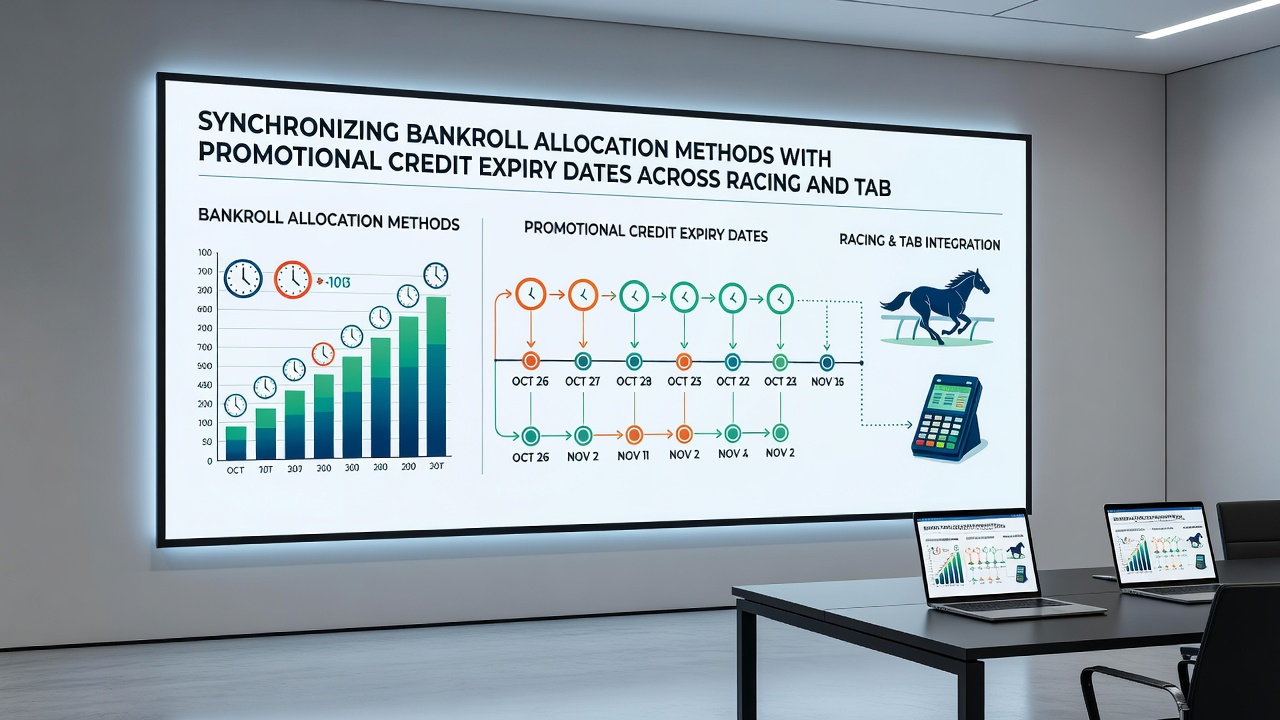
Those who apply these methods report that combining fixed racing allocations with flexible table game reserves creates smoother transitions when promotional windows close. For instance, a player might commit a set amount to the next major race meeting while using remaining credits on blackjack or roulette rounds that conclude before midnight expiry. Industry analyses confirm that such coordination proves especially relevant during high-volume periods when multiple promotions run concurrently across different game verticals.
Monitoring Tools and Data Integration Across Platforms
Modern platforms supply dashboards that aggregate bankroll figures, active promotions, and upcoming events into single views, and operators have expanded these features to accommodate both racing and table game users. Integration of expiry alerts with betting histories enables automatic suggestions for reallocating credits that would otherwise expire. Figures from academic reviews of player behavior demonstrate that individuals who consult these combined interfaces maintain higher utilization rates of promotional funds than those relying on manual tracking alone. In July 2026, updates to several major platforms introduced cross-format calendars that highlight conflicts between race start times and credit deadlines, further supporting synchronized planning.
Conclusion
Effective coordination of bankroll allocation with promotional credit expiry dates requires ongoing attention to the distinct pacing of racing and table games, and available data continues to show measurable benefits for those who align their methods accordingly. As platforms refine their tools and regulatory frameworks evolve, participants gain clearer pathways to maximize credit usage while preserving core capital across both categories of play.