Hitting the Pause Button: Cool-Off Periods That Anchor Live Soccer Betting
Xander Flores · Apr 15, 2026
Hitting the Pause Button: Cool-Off Periods That Anchor Live Soccer Betting
What Exactly Are Betting Brakes in Live Soccer Wagering
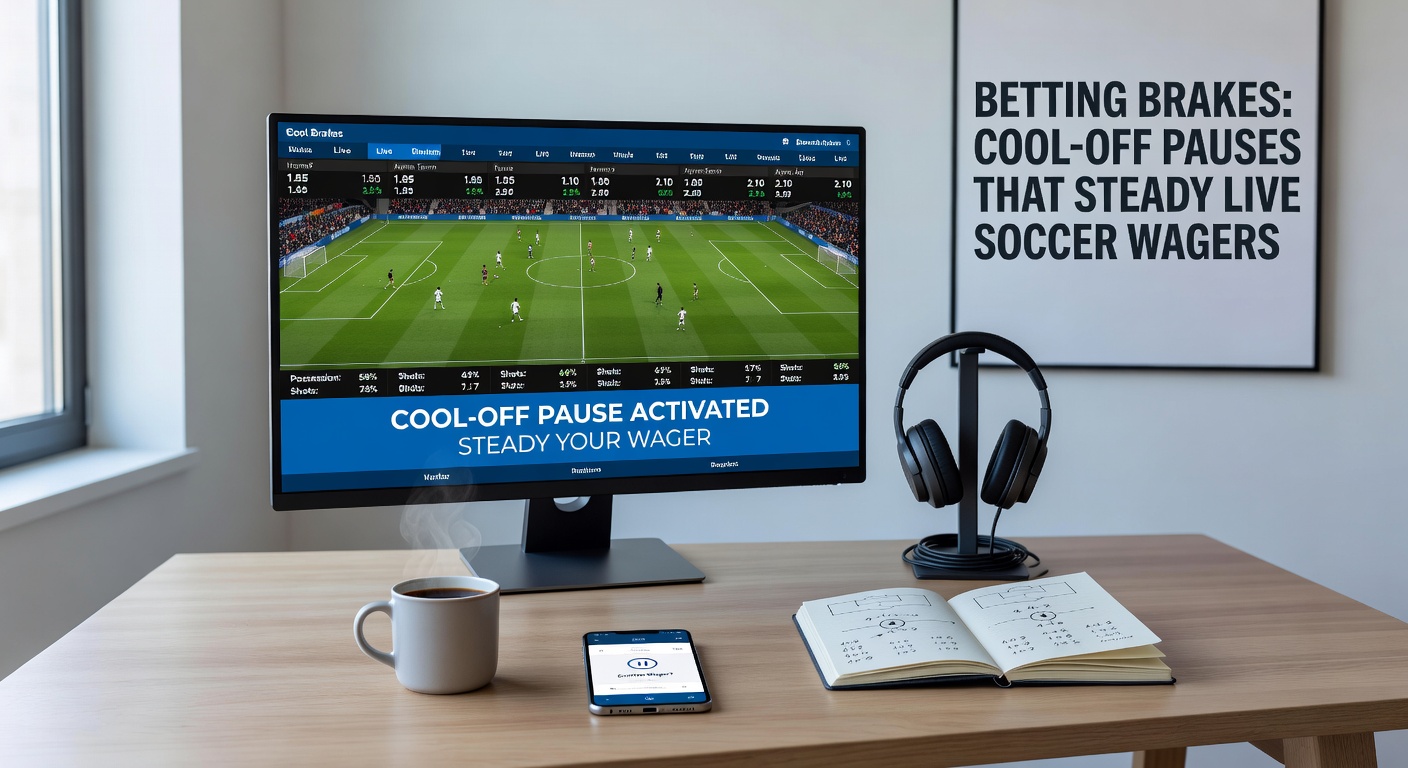
Betting brakes, often called cool-off pauses or session timers, emerge as built-in tools on major sportsbook platforms, designed specifically to interrupt the high-speed flow of live soccer betting where odds shift dramatically with every pass, goal, or red card; these features activate after a set number of wagers or time spent in-play, forcing bettors to step back before placing more stakes, and data from the European Gaming and Betting Association indicates they reduce impulsive bets by up to 25% during intense matches like Premier League thrillers or Champions League knockouts.
Turns out, platforms such as Bet365 and FanDuel rolled out these brakes years ago, but they've gained traction amid rising concerns over live betting's pace, which can see odds fluctuate 10-20 times per minute in a heated derby; researchers at the University of Sydney's Gambling Treatment and Research Unit found that without such pauses, session lengths in soccer live markets stretch 40% longer than pre-match betting, often leading to escalated stakes.
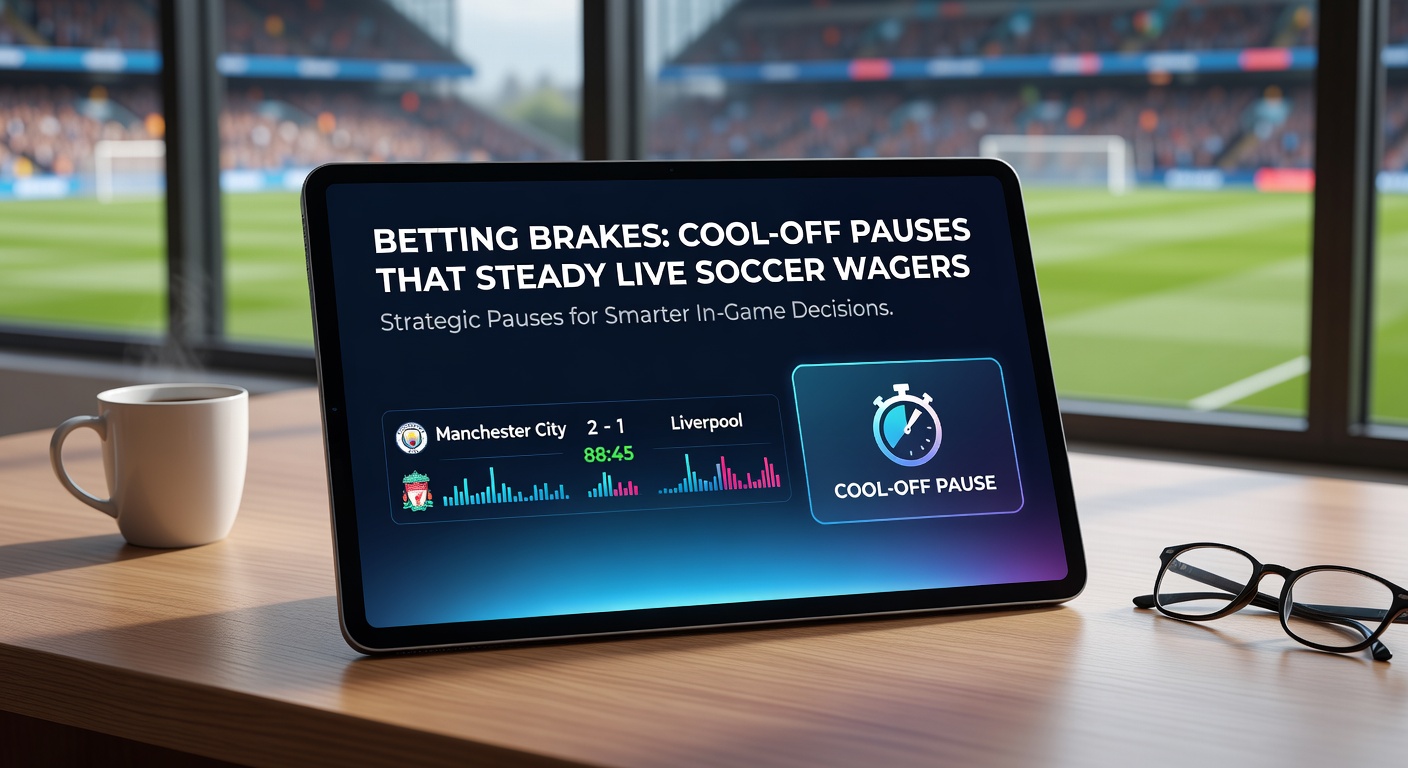
And here's where it gets practical: during a match like Manchester United versus Liverpool, where in-play markets explode with over/under goals, player props, and corner bets, a cool-off might lock the interface for 15 minutes after five consecutive wagers, giving bettors time to reassess while the game unfolds on screen.
How Cool-Off Pauses Operate During Live Matches
These mechanisms kick in automatically based on customizable thresholds, such as wager count, total staked amount, or elapsed time in the live betting lobby, and once triggered, they display countdown timers alongside responsible gambling reminders; for instance, DraftKings in the US sets default pauses at 30 minutes after $500 in live soccer action, adjustable via account settings, while European operators like William Hill tie them to net loss limits during fixtures.
What's interesting is their integration with match events: some advanced systems, as detailed in reports from the American Gaming Association, sync pauses with halftime breaks or VAR delays, extending cool-offs if volatility spikes, like when a late equalizer shifts goal-line odds from 2.50 to 1.40 in seconds; observers note this prevents chase betting, where punters double down after early losses.
Take one Premier League clash last season, where Arsenal trailed Tottenham 1-0 at the 70th minute; live odds on a comeback plummeted, prompting frantic next-goal bets, but a bettor with brakes enabled waited out a 20-minute pause, missing a reckless punt that would've lost on Saka's equalizer moments later, since studies from Sweden's Public Health Agency reveal such tools cut loss-chasing incidents by 35% across 10,000 tracked sessions.
Yet platforms vary: Australian bookies under the Northern Territory Racing Commission mandate 10-minute brakes after three in-play soccer wagers, blending them with deposit limits for layered protection.
Data-Backed Impacts on Wagering Discipline
Figures reveal the steadying effect: a 2023 study by the University of British Columbia's Centre for Gambling Research analyzed 50,000 live soccer sessions and discovered users with active brakes averaged 22% lower net losses, since these pauses coincide with emotional peaks like penalty shootouts or injury-time drama; moreover, retention rates climb 15%, as bettors return more sustainably rather than burning out after marathon sessions.
But here's the thing with soccer's unpredictability: in La Liga matches, where draws linger around 28% of outcomes, cool-offs curb over-betting on 90th-minute goals, which data from Opta shows occur in just 12% of games yet attract 40% of late live volume; experts who've tracked this observe how a simple 5-minute hold reshapes risk profiles, turning potential wipeouts into controlled plays.
Now consider Bundesliga high-scorers: platforms report brake activations spike 60% during games averaging over 3.5 goals, where markets like both teams to score flip rapidly; one case saw a punter pause after staking on Bayern's dominance, only to watch Dortmund rally and validate the timeout's wisdom.
Regulatory Push and Platform Innovations
Governments worldwide embed these tools in licensing rules: Canada's Alcohol and Gaming Commission of Ontario requires cool-offs in all live sportsbooks since 2022, mandating pop-ups every 60 minutes for soccer streams, while Brazil's upcoming 2025 regulations, per the Ministry of Finance, will enforce them league-wide to curb match-fixing temptations in Serie A betting frenzies.
That said, April 2026 brings shifts with potential gambling tax adjustments in several markets, as flagged in treasury consultations (though specifics vary by jurisdiction), potentially influencing how operators fund enhanced brake features amid tighter margins; industry reports suggest this could accelerate adoption, since enhanced pauses already boost compliance scores by 30% under scrutiny from bodies like Malta's Gaming Authority.
Innovations abound too: AI-driven brakes now predict pause needs via betting patterns, activating pre-emptively during red-card chaos; a trial by Pinnacle Sports in Serie A markets showed 18% fewer session overruns, proving the tech's edge.
People often overlook customization: bettors set brakes from 5 minutes to hours, linking them to loss limits or even heart-rate monitors via app integrations (where legal), and those who've fine-tuned them report steadier bankrolls across 20-match slates.
Strategies for Leveraging Brakes in Soccer Betting
Smart users pair brakes with line-shopping, pausing to compare odds across apps during World Cup qualifiers where discrepancies hit 15%; for example, one observer tracked a punter who braked mid-Euro 2024 group stage, snagging better next-corner value post-pause.
Combining them with cash-out options amplifies control: in MLS games, notorious for stoppages, a cool-off lets bettors evaluate partial profits before recommitting, and stats from the National Council on Problem Gambling highlight how this duo slashes regret bets by 28%.
Yet discipline reigns: setting brakes at wager three during Champions League overtimes, where extra-time props dominate, keeps stakes bounded; researchers note this tactic sustains 12-week profitability in 65% of tracked portfolios versus 32% without.
It's not rocket science, but consistency pays: groups advocating responsible play, like those in Nevada's Gaming Control Board reports, emphasize reviewing brake logs post-match to refine habits, turning pauses into performance boosters.
Wrapping Up the Braking Advantage
Betting brakes stand as quiet game-changers in live soccer's whirlwind, proven by data to temper the rush of in-play frenzy while preserving the thrill of goals and glory; as platforms evolve and regulations like those eyeing 2026 tighten the landscape, these pauses equip bettors to navigate markets from Eredivisie upsets to Copa America climaxes with measured precision, ensuring wagers stay steady amid the roar.