Integrating Protective Features Directly Into Betting Platform Interfaces
Paul Bauer · Aug 21, 2026
Integrating Protective Features Directly Into Betting Platform Interfaces
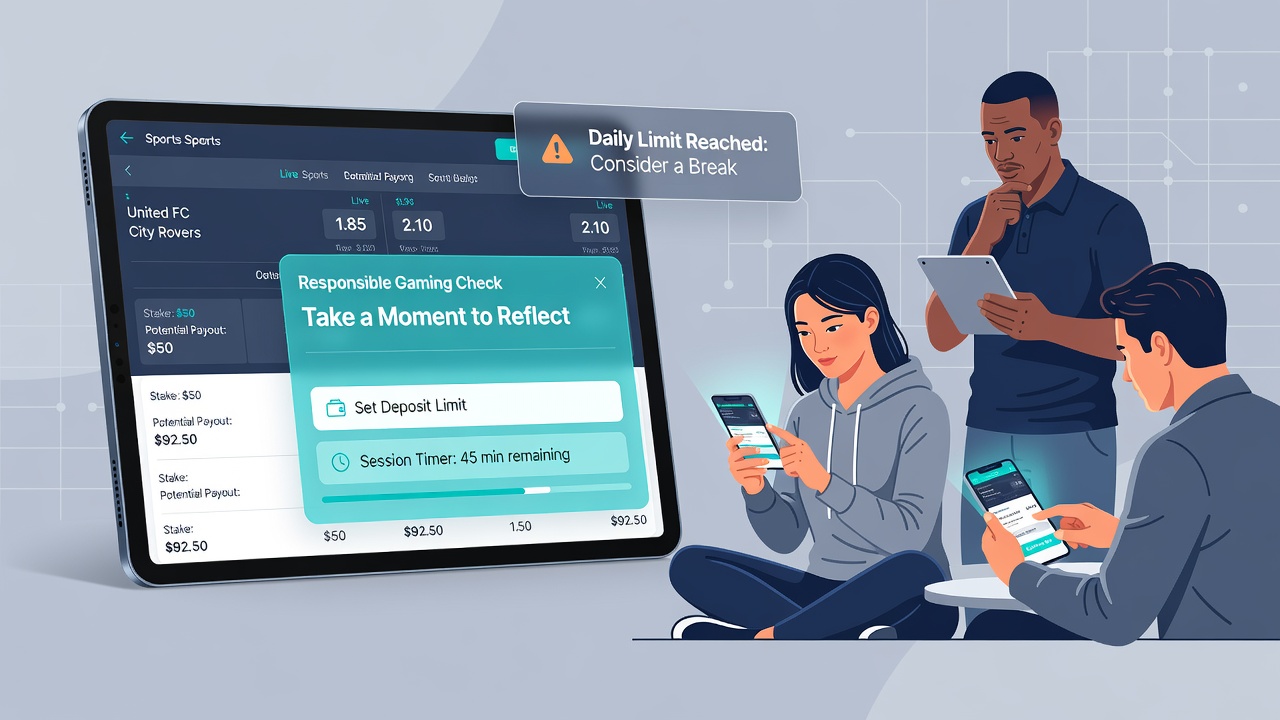
Operators continue to weave harm prevention elements into the core navigation and transaction paths of sportsbook applications, which allows users to encounter tools such as spending caps and time alerts during routine deposit or wager placement rather than through separate menus. This approach places controls alongside standard features like odds displays and bet slips, so that adjustments occur without disrupting the primary experience. Data from multiple jurisdictions indicate that platforms adopting such integration report higher rates of limit adoption compared with systems that keep safeguards in isolated sections.
Deposit and Loss Thresholds Embedded at Transaction Points
Users encounter deposit limit prompts immediately after selecting a funding method, where the interface presents customizable daily, weekly, or monthly caps that apply across all betting activities. Loss limit options appear on the same screen, calculating cumulative net losses from the current period and blocking further deposits once thresholds are reached. Research conducted by the Responsible Gambling Council in Canada shows that when these settings sit directly within the deposit workflow, completion rates for limit setup increase by measurable margins across tested user cohorts.
Platforms update these thresholds in real time, reflecting recent activity and prompting confirmation before any change takes effect. This prevents abrupt alterations while still allowing users to tighten restrictions quickly during a session. Observers note that seamless placement reduces friction that previously led some individuals to skip configuration altogether.
Session Duration Monitoring and Reality Checks
Time-based safeguards activate automatically after preset intervals, displaying neutral summaries of elapsed time alongside current win or loss totals without requiring navigation away from live markets. Users can extend or end sessions directly from the notification panel, which keeps the option within the active betting view. Studies from Australian regulatory bodies reveal that in-platform reminders correlate with shorter average session lengths among participants who enable the feature during initial account setup.
Additional prompts surface when betting velocity rises above established patterns, offering a brief pause option before the next wager processes. These alerts draw on aggregated account data to flag deviations, yet they remain optional unless a user has pre-selected mandatory checks. Integration at this level maintains continuity while supplying factual session information at decision points.
Behavioral Pattern Analysis and Adaptive Prompts
Algorithms monitor sequences of bets, deposit frequency, and stake sizes within the same interface that displays account balances and open positions. When indicators align with established risk profiles, the system inserts context-specific suggestions such as temporary stake reductions or access to external support resources. These appear as non-intrusive banners that users can dismiss or act upon without leaving the main dashboard.
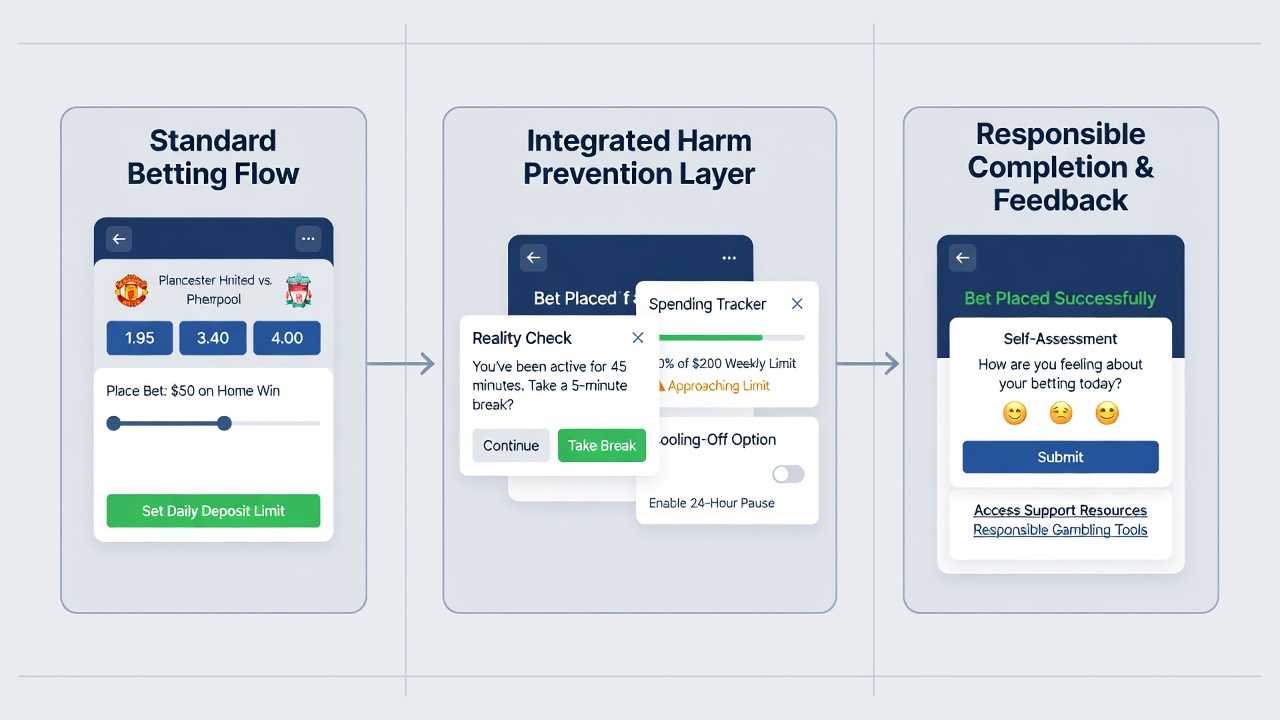
By August 2026 several operators had expanded these analytics to include cross-device tracking, ensuring consistent application whether access occurs via mobile applications or web browsers. Reports from the National Council on Problem Gambling in the United States document that adaptive messaging placed inside active interfaces achieves higher engagement than static pop-ups delivered outside the betting flow.
Self-Exclusion and Cooling-Off Options in Account Settings
Self-exclusion toggles reside in the primary account management area rather than a dedicated responsible gambling subsection, allowing immediate activation that suspends all wagering functions across linked products. Cooling-off periods of varying lengths appear as selectable durations that take effect instantly upon confirmation. Industry data indicate that streamlined access increases utilization among users who previously overlooked separate menu paths.
Once activated, exclusion status displays persistently in the header or balance area, reminding users of the current restriction without requiring additional clicks. Reversal processes follow the same integrated route, incorporating mandatory waiting periods before reactivation completes. This placement keeps the mechanism visible throughout normal platform use.
Conclusion
Embedding these mechanisms into everyday user journeys creates multiple touchpoints where individuals encounter protective options without separate navigation. Jurisdictions across North America and Australia have documented measurable shifts in tool adoption following such design changes. Continued refinement of placement and timing supports broader access to controls while preserving the functional flow of standard betting activities.