Interconnected Reward Systems Drive Retention Across Virtual Sports Betting Platforms
Zara Roth · May 27, 2026
Interconnected Reward Systems Drive Retention Across Virtual Sports Betting Platforms
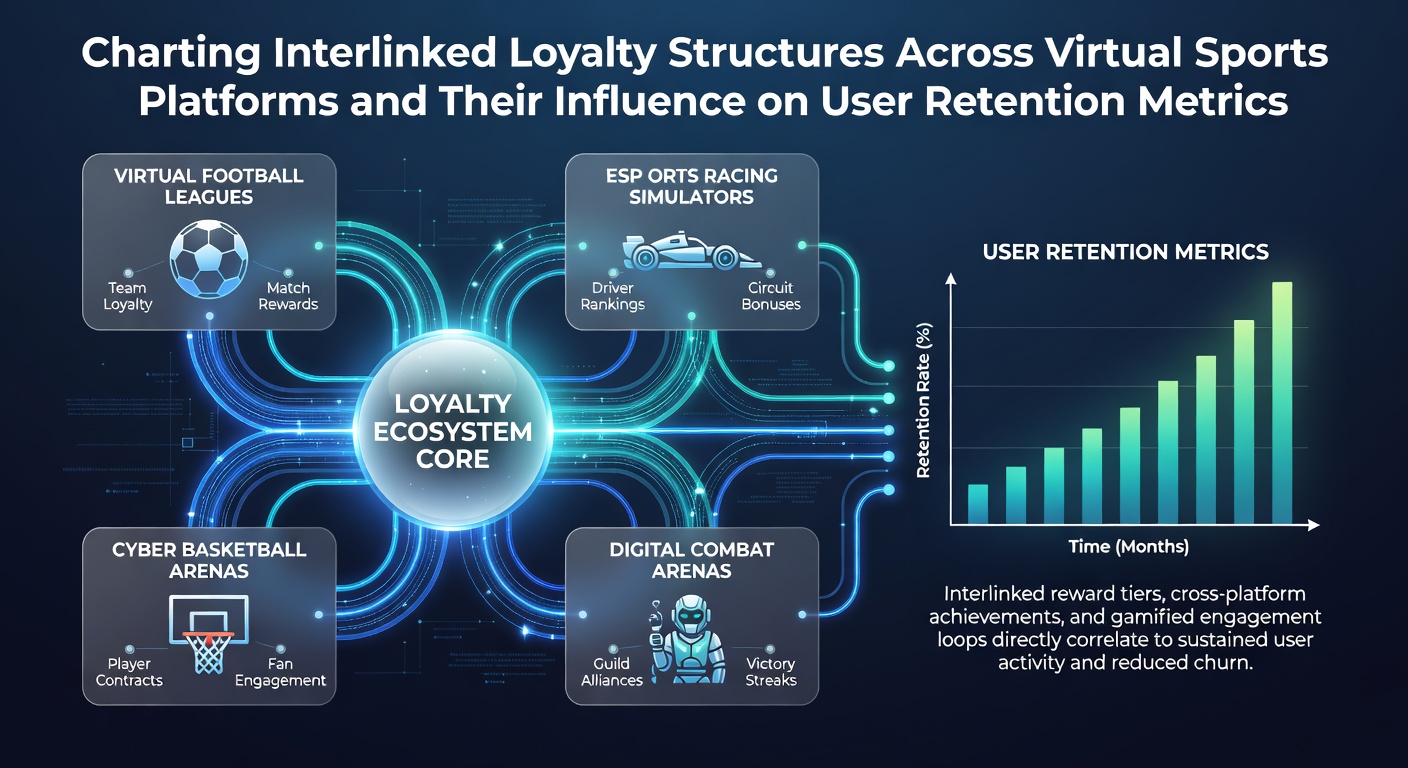
Virtual sports platforms have developed loyalty structures that link rewards across simulated events such as digital football matches, tennis simulations, and horse racing recreations, and these connections produce measurable effects on how long users remain active on the sites. Operators track user activity through tiered point systems where bets placed on one virtual sport generate credits usable in others, creating pathways that encourage continued engagement rather than isolated sessions.
Core Components of Linked Loyalty Models
Platforms integrate data clusters from multiple virtual offerings so that a user accumulating points from virtual basketball can redeem them for bonuses in virtual cycling events, and this cross-pollination relies on unified account profiles that follow participants across different game types. Research from the University of Nevada's International Gaming Institute shows participation rates climb when rewards span several categories because users perceive greater value in maintaining a single profile instead of switching between disconnected services.
Points often convert at fixed ratios, such as ten credits earned in one simulation equaling five in another, while seasonal challenges require activity across at least two virtual sports to unlock higher tiers. Data released in May 2026 from Canadian regulatory tracking indicated platforms using these interlinks recorded average session lengths 18 percent longer than those operating standalone programs.
Retention Metrics and Platform Performance
Retention figures improve when loyalty mechanics allow progress toward shared milestones, for instance completing weekly virtual event sets that span football and racing simulations unlocks escalating cashback percentages applied to future wagers. Analysts observe that users reaching mid-tier status within interconnected systems demonstrate 27 percent higher return rates over six-month periods compared with single-sport participants.
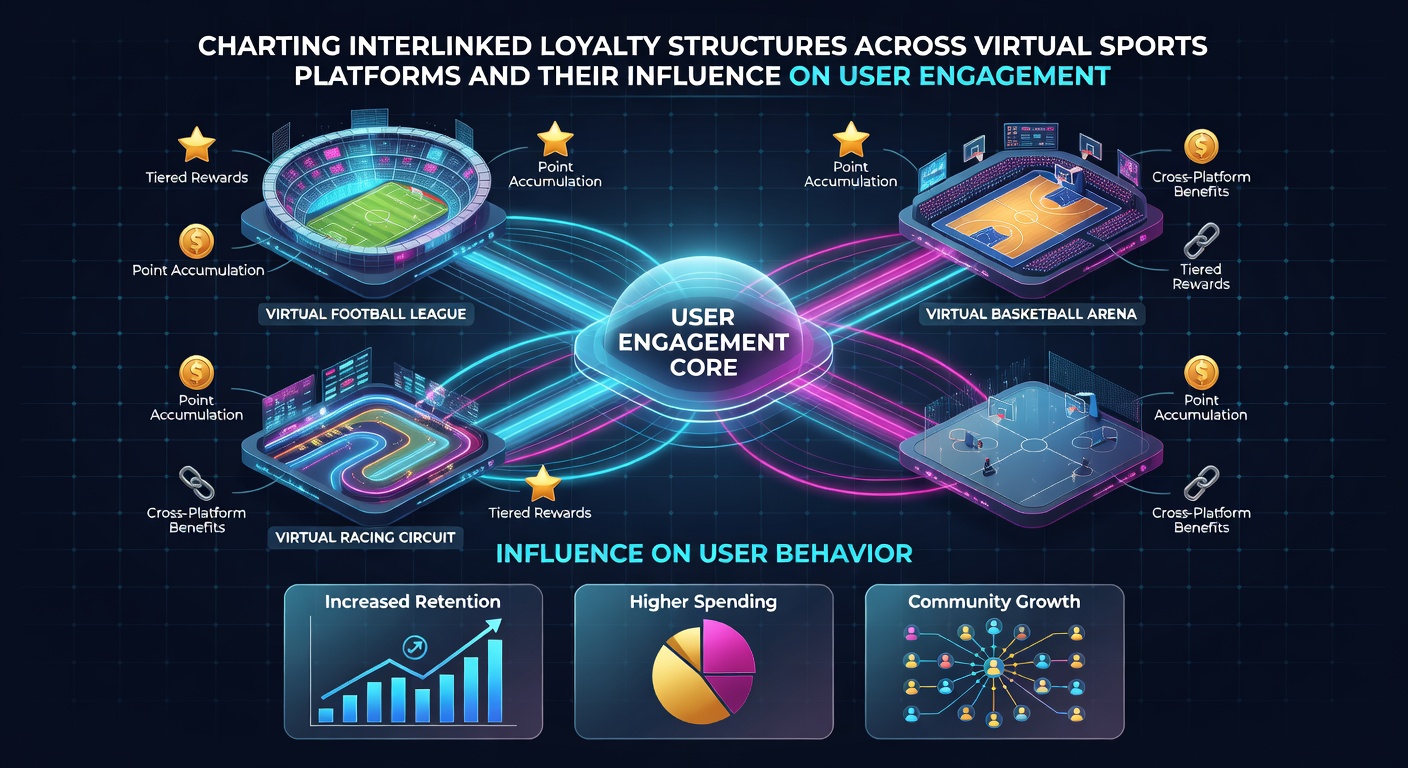
What's notable is how churn decreases once users invest time building transferable balances, since abandoning one platform means losing accumulated advantages across the entire network. Figures from an Australian Gambling Research Centre report covering 2025 operations reveal sites with linked structures maintained monthly active user counts at 82 percent of peak levels, whereas non-linked competitors saw drops to 61 percent during the same window.
Technical Integration and Data Flow
Backend systems synchronize transaction logs in real time so that a completed virtual tennis match instantly updates a central ledger accessible by racing and football modules, eliminating delays that previously caused users to abandon unfinished reward paths. Developers employ API connections between different virtual engines, allowing seamless point transfers while maintaining separate odds engines for each sport type.
One operator that rolled out unified dashboards in early 2026 reported users checking progress across multiple simulations 40 percent more frequently after the change, because the interface displayed combined totals rather than isolated counters. These technical links also enable targeted notifications that remind participants of nearing thresholds in any connected virtual category.
Comparative Approaches Across Regions
European operators tend to emphasize collaborative challenges where users team up in virtual leagues spanning several sports, whereas North American platforms focus more on individual progression bars that carry over automatically between events. Both models produce similar retention lifts according to aggregated industry data, yet the mechanisms differ in how they distribute bonus triggers throughout the calendar month.
Platforms in Asia-Pacific markets often incorporate time-limited events tied to major real-world tournaments, converting virtual sports activity into entries for broader reward pools that include casino-style spins, and this hybrid approach further extends user lifespan on the betting applications.
Conclusion
Interlinked loyalty structures across virtual sports platforms create sustained engagement patterns by allowing reward accumulation and redemption to flow between simulated events, and retention metrics reflect these connections through extended user lifecycles and higher return frequencies. Operators continue refining synchronization methods and tier requirements, with data sets from multiple jurisdictions confirming the structural advantages of unified systems over fragmented alternatives.