Loyalty Rewards in Wagering Apps: Analyzing Impacts on Sustained User Engagement
Zara Roth · Jun 12, 2026
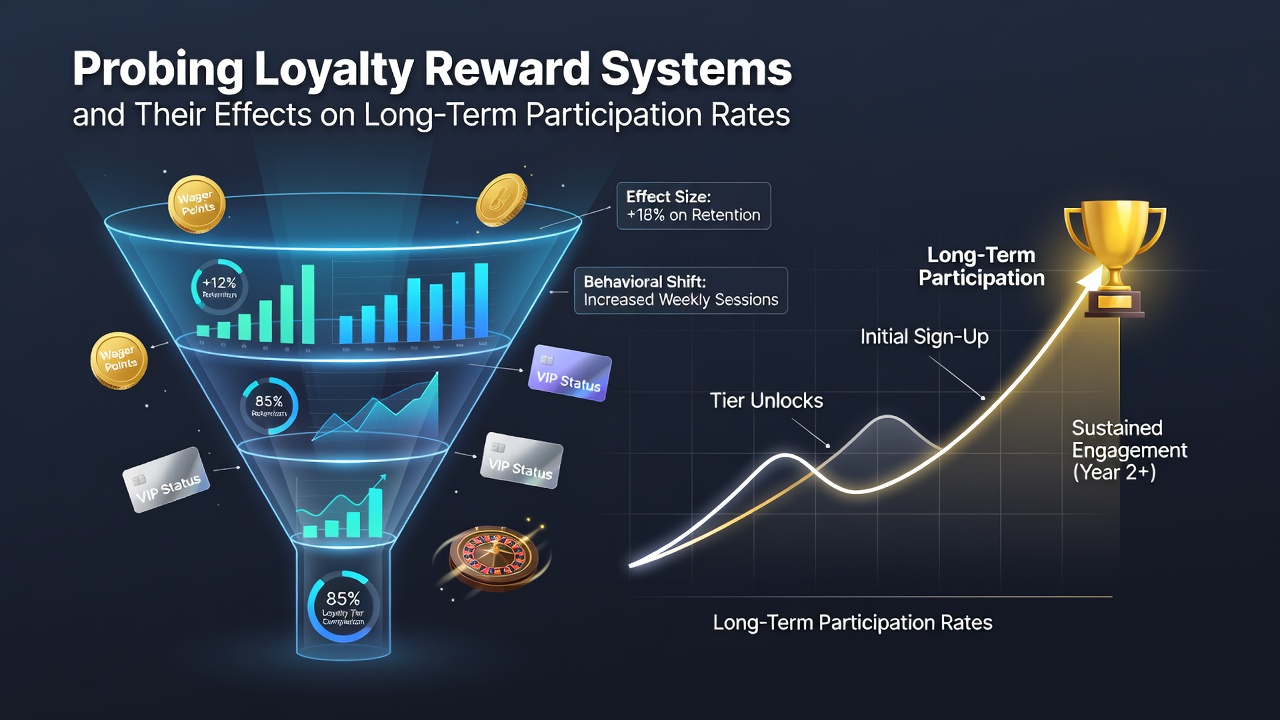
Loyalty Rewards in Wagering Apps: Analyzing Impacts on Sustained User Engagement
Loyalty reward systems in wagering applications operate through structured mechanisms that accumulate points based on betting activity, deposit frequency, and wager volume, which users then exchange for credits, free spins, or tiered status upgrades. These frameworks appear across numerous platforms and integrate elements such as cashback percentages, multiplier bonuses on losses, and personalized offers tied to individual play patterns.
Core Components of Reward Structures
Points accrual typically follows formulas where each unit wagered converts into a set number of loyalty credits, while deposit streaks unlock escalating benefits that range from basic reload matches to exclusive event access. Tier progression often divides users into categories like bronze, silver, gold, and platinum, with higher levels granting faster withdrawal processing, dedicated account managers, and enhanced odds on select markets. Data from industry tracking shows that platforms adjust these thresholds seasonally, aligning them with major sporting calendars to maintain consistent activity levels throughout the year.
Measurement of Participation Over Extended Periods
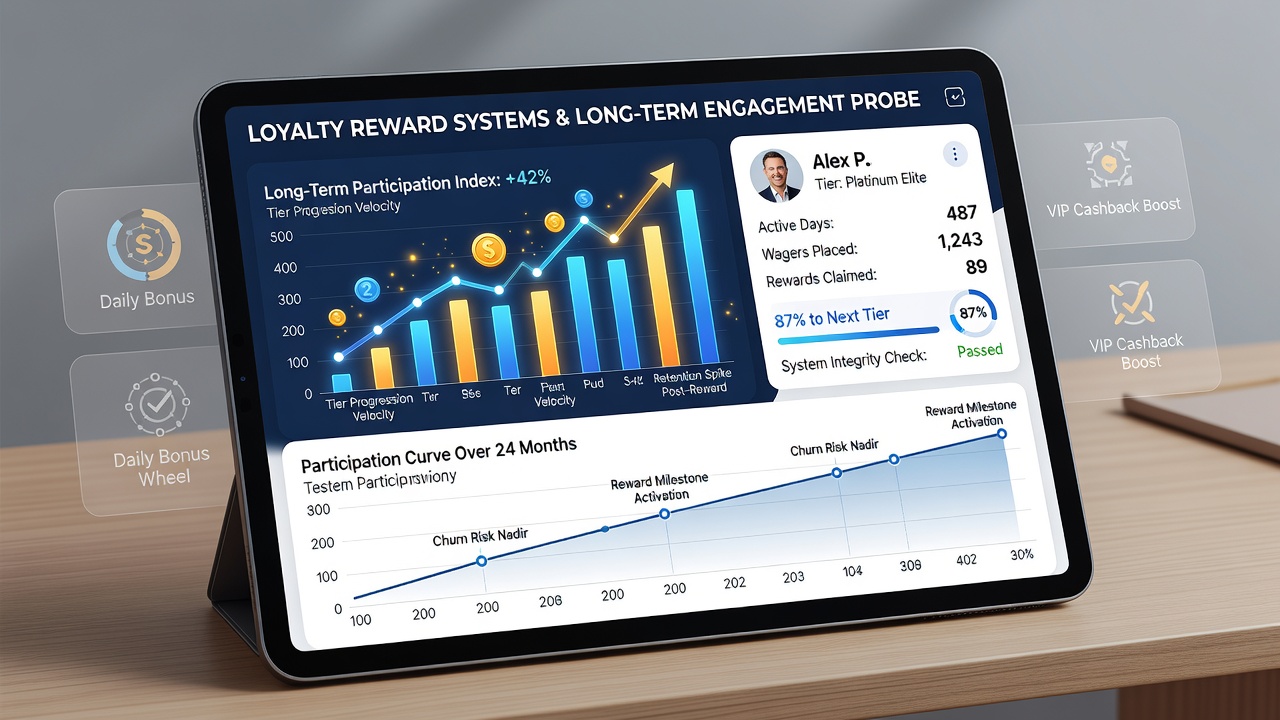
Long-term participation rates get evaluated through metrics including session frequency, average stake per user, and retention intervals measured in months or years rather than days. Observers note that systems incorporating progressive multipliers tend to correlate with extended engagement windows, particularly when rewards scale in response to cumulative activity rather than isolated deposits. Research conducted across multiple jurisdictions indicates that users enrolled in multi-tier programs demonstrate higher repeat login rates compared to those on flat-rate schemes, although the precise causation remains subject to ongoing analysis by academic groups.
One longitudinal examination by the Australian Gambling Research Centre tracked cohorts over 18 months and identified that reward redemption frequency aligned with a 12 percent uptick in sustained monthly activity among participants who reached intermediate tiers. Similar patterns emerged in Canadian studies where loyalty points tied directly to live event betting produced steadier participation curves during off-peak periods.
Regional Variations and Regulatory Context
European operators frequently emphasize cashback structures that return a fixed percentage of net losses, whereas North American platforms lean toward free bet allocations triggered by milestone achievements. Australian frameworks, shaped by state-level oversight, incorporate mandatory disclosure of reward terms to ensure transparency around expiration dates and eligibility criteria. In June 2026, several jurisdictions plan to release updated datasets on digital wagering behaviors, which analysts expect will provide clearer benchmarks for how loyalty mechanics influence year-over-year retention figures.
Industry organizations such as the Australian Gambling Research Centre have compiled comparative reports that contrast reward-driven retention against organic play patterns, revealing that tiered systems often extend average user lifespan by several quarters when paired with responsible gambling prompts. Meanwhile, examinations from the Canadian Centre on Substance Use and Addiction highlight regional differences where loyalty caps and time-based decay features appear to moderate excessive engagement spikes.
Interaction With User Behavior Patterns
Behavioral data indicates that reward notifications sent via push alerts or in-app messages increase short-term wager volumes, yet sustained effects depend on whether the underlying mechanics reward skill-based selections or sheer volume. Users who receive tailored incentives based on preferred sports or game types show elevated continuation rates, while generic offers produce more variable outcomes. Platform operators refine algorithms continuously, drawing on anonymized session logs to predict churn points and deploy preemptive rewards that aim to stabilize activity curves.
Case examples from European operators demonstrate that integrating loyalty points with accumulator bonuses during major tournaments correlates with extended participation windows into subsequent months. Those who've examined transaction datasets observe that redemption rates above certain thresholds coincide with reduced dormancy periods, suggesting the systems function partly as engagement anchors rather than pure acquisition tools.
Emerging Trends Through Mid-2026
By June 2026, several platforms are anticipated to introduce hybrid models that blend loyalty credits with non-monetary elements such as achievement badges or community leaderboards. Early indicators from pilot programs suggest these additions may further influence long-term participation by fostering a sense of progression beyond financial returns alone. Cross-border comparisons continue to inform best practices, with regulators in multiple regions reviewing how reward structures intersect with harm minimization protocols.
Conclusion
Loyalty reward systems in wagering applications continue to evolve through iterative adjustments to point structures, tier benefits, and redemption pathways. Available data from diverse research bodies points to measurable associations between these mechanisms and extended user participation intervals, although outcomes vary according to design specifics and regional contexts. Ongoing data releases scheduled for 2026 are expected to supply additional granularity for evaluating these relationships across different user segments and market conditions.