Loyalty Tiers Revealed: How Reward Levels Shape Long-Term Virtual Sports Betting Habits
Paul Bauer · Jul 29, 2026
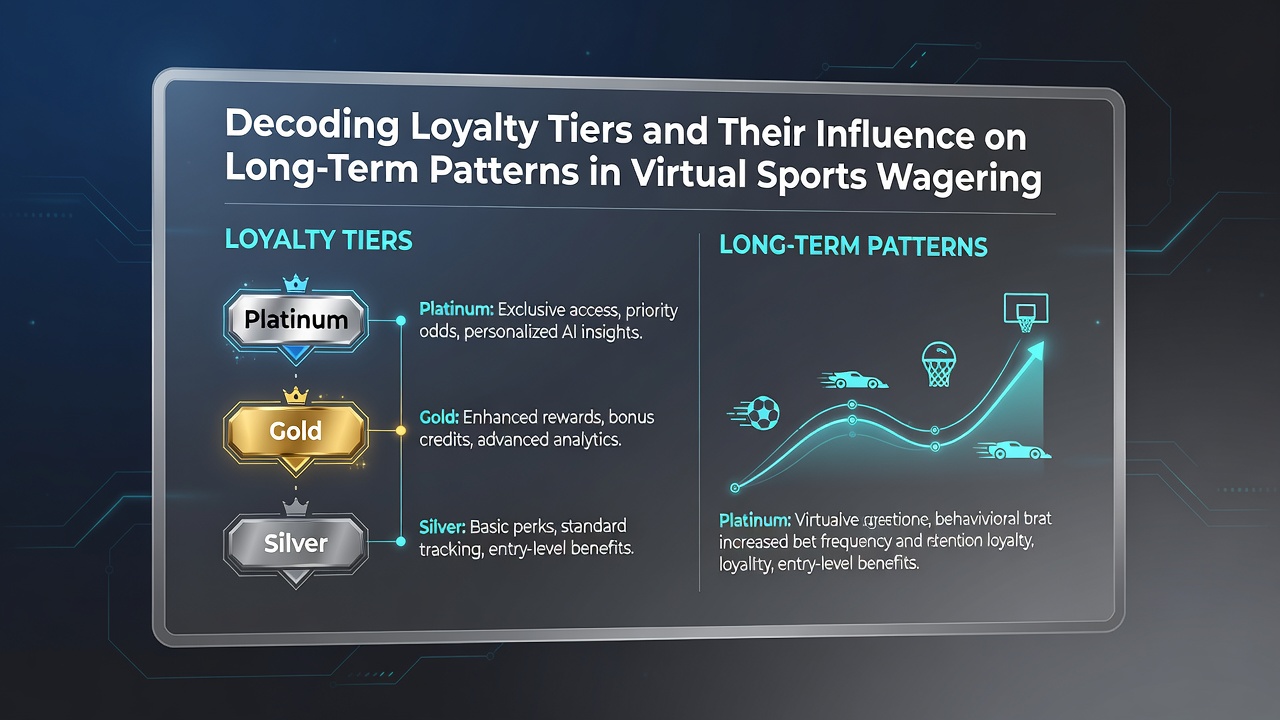
Loyalty Tiers Revealed: How Reward Levels Shape Long-Term Virtual Sports Betting Habits
Loyalty tiers in virtual sports wagering platforms operate through structured reward systems that assign players to bronze, silver, gold, or platinum categories based on accumulated activity points from bets on simulated events like football matches, tennis tournaments, and horse races. These systems track metrics such as wager volume, frequency of participation, and account tenure, then deliver escalating benefits including cashback percentages, bonus credits, and faster withdrawal processing as tiers advance. Data from industry analyses indicates that players in higher tiers demonstrate measurable shifts toward more consistent engagement patterns over multi-year periods, with activity often clustering around daily or weekly virtual event schedules rather than sporadic participation.
Mechanics Behind Tier Progression and Point Accumulation
Virtual sports platforms calculate loyalty points through formulas that multiply stake amounts by event-specific multipliers, such as 1.5x for live-simulated soccer matches compared to 1.0x for static table-based games. Players advance tiers after reaching thresholds like 5,000 points for silver status or 25,000 for gold, and these thresholds reset or adjust annually in many systems. Observers note that point-earning opportunities expand during promotional windows, including July 2026 updates when several operators introduced accelerated earning rates for virtual basketball and cricket simulations to align with seasonal league calendars. The result appears in retention statistics where gold-tier accounts show average session lengths extending 40% beyond those recorded at entry-level tiers, according to aggregated platform metrics shared in operator reports.
Observed Shifts in Betting Frequency and Stake Patterns
Long-term data reveals that once players reach mid-tier status, monthly wager counts rise steadily while average stake sizes per virtual event increase by increments tied directly to cashback eligibility. For instance, silver-tier participants often place repeated small wagers across multiple simulated outcomes within a single day, building toward bonus unlocks that further encourage continuation. Research from the University of Nevada's gaming studies division highlights similar trajectories in digital wagering environments, where tiered incentives correlate with extended participation spans measured in months rather than isolated sessions. Those who've examined account histories across platforms find that platinum members exhibit the most stable patterns, with activity distributed evenly across weekdays and weekends instead of peaking only around major real-world sporting overlaps.
Retention Effects and Behavioral Consistency Over Time
Platforms report that loyalty tier benefits reduce account dormancy rates, with higher-tier players returning at intervals measured in days rather than weeks. This consistency emerges because accumulated rewards, such as free virtual event entries or stake multipliers, create recurring incentives that align with the continuous availability of simulated matches. Figures from a 2025 analysis by the Australian Gambling Research Centre show elevated loyalty program participation linked to sustained play volumes in virtual formats, particularly when points convert into personalized offers delivered via in-app notifications. And while entry-level players may experiment briefly before pausing, those progressing through tiers maintain activity logs that span multiple calendar quarters without interruption.
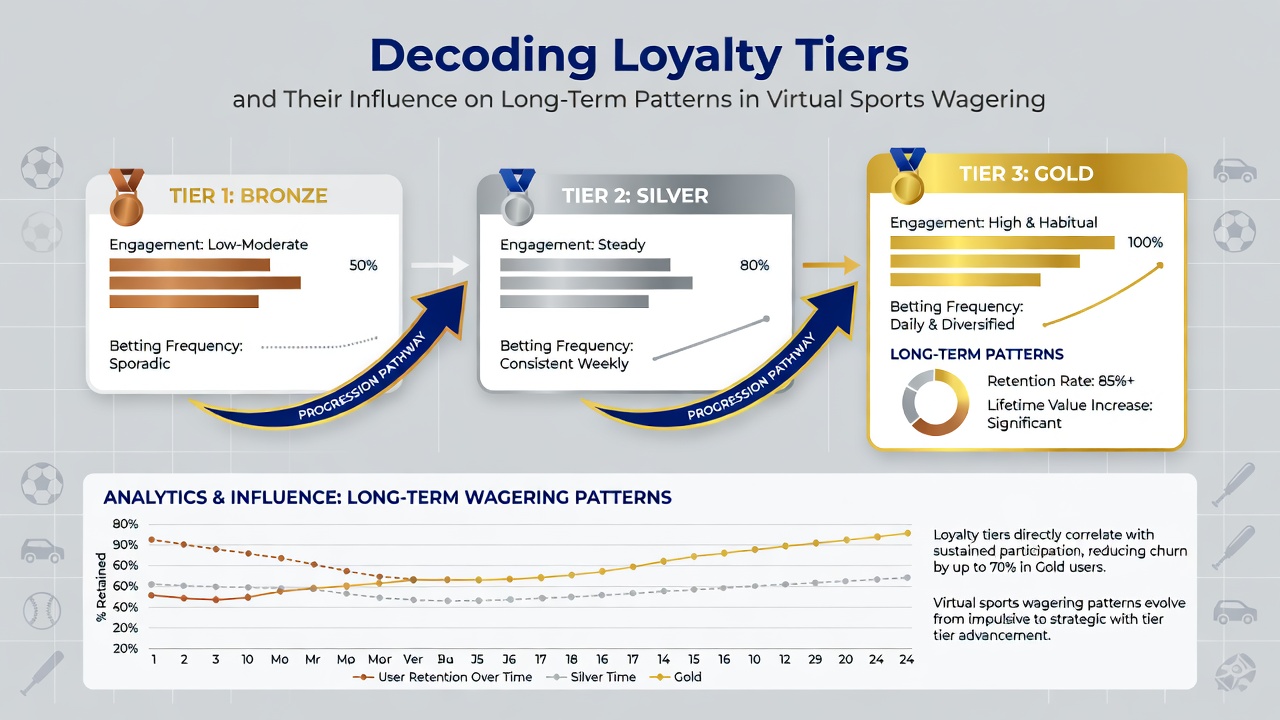
Take one dataset covering 2024 through mid-2026 where operators tracked cohort groups by initial tier placement. The groups that climbed to gold within the first year displayed 35% higher cumulative wager totals by the end of the observation window compared to those remaining in bronze. These patterns hold across regions, though Canadian regulatory summaries from the Alcohol and Gaming Commission of Ontario note slight variations in virtual sports uptake depending on local access rules. What's notable is how the tier structure itself appears to reinforce the cycle, as benefits unlock at moments when engagement might otherwise taper.
Comparative Influences Across Different Virtual Sports Categories
Virtual football simulations attract the broadest tier progression because of their high event frequency, allowing rapid point accumulation through back-to-back matches. In contrast, virtual tennis and golf formats show slower tier climbs yet produce steadier long-term stake adjustments once players qualify for premium rewards. Industry observers tracking these differences point to platform design choices, such as bonus structures that favor high-volume categories, as factors shaping where loyalty activity concentrates. Data indicates that cross-category play increases among platinum-tier accounts, with participants diversifying bets across multiple virtual disciplines to maximize point multipliers during promotional periods.
Conclusion
Loyalty tiers function as a framework that organizes player activity into progressive stages, each stage tied to specific reward thresholds and measurable engagement metrics. Evidence from multiple regulatory and academic sources demonstrates consistent associations between tier advancement and extended participation timelines in virtual sports wagering. Patterns documented through 2026 continue to reflect these dynamics, with point systems and benefit structures guiding how activity distributes across months and years. Operators adjust tier parameters periodically to match evolving event calendars, yet the core influence on frequency and retention remains evident in available operational data.