Mapping Bonus Redemption Efficiency Across Integrated Casino and Sports Platforms
Xander Flores · May 17, 2026
Mapping Bonus Redemption Efficiency Across Integrated Casino and Sports Platforms
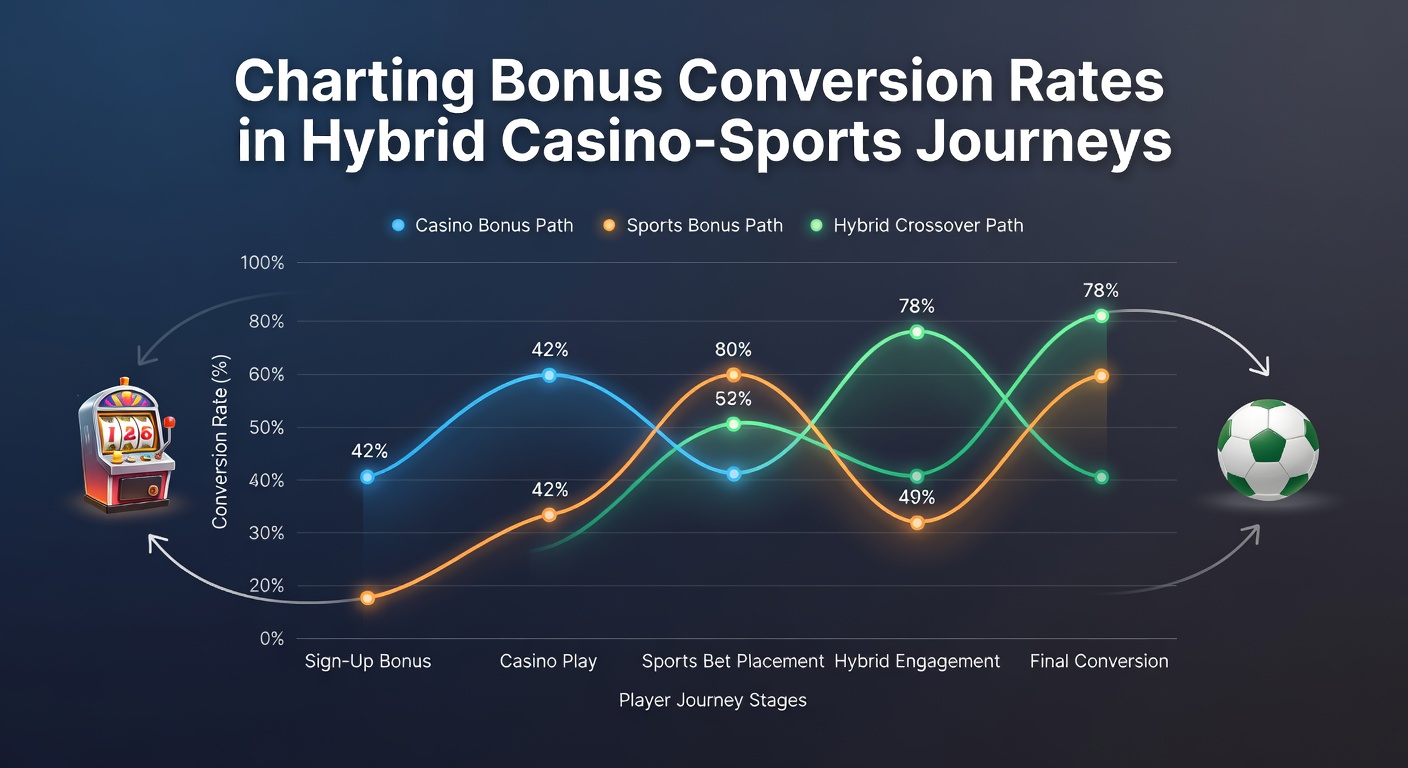
Operators track how promotional credits move from one vertical to another because hybrid platforms allow players to begin in casino games and then shift stakes into sports markets without resetting balances. Conversion rates measure the percentage of bonus funds that generate settled wagers meeting playthrough thresholds, and industry reports compile these figures from aggregated transaction logs across multiple jurisdictions.
Defining the Core Metrics
Conversion rate calculations divide completed qualifying bets by the initial bonus amount awarded, then adjust for time-bound expirations and game-type restrictions. Data from platform analytics in early 2026 shows average rates ranging between 38 and 62 percent depending on whether the bonus originates in slots or table games before migrating to pre-match or in-play sports selections. Researchers at the University of Nevada Reno Gaming Center released findings in March 2026 that correlated higher conversion with shorter wagering chains and fewer vertical switches.
Platform Mechanics That Influence Outcomes
Hybrid systems integrate wallet balances so a player finishing a casino bonus round can allocate remaining credits directly to football accumulators or tennis spreads. Seamless transfers reduce friction, yet operators impose separate contribution percentages that count only partial amounts toward sports requirements. Observers note that when a 50 percent contribution rule applies, conversion drops because players must stake twice the displayed bonus to reach clearance. Software providers updated their tracking dashboards in May 2026 to display real-time progress bars that separate casino and sports portions of the same promotional cycle.
Stake-size caps and market exclusions further shape results. Many operators limit bonus use on odds shorter than 1.5 or exclude certain prop bets entirely. Those restrictions channel activity toward higher-margin selections, which in turn affects the final percentage of funds that survive to cash-out or withdrawal stages.
Regional Variations in Reporting Standards
European regulators require operators to publish anonymized bonus utilization summaries every quarter, while North American state commissions collect similar data but release it only upon formal request. A joint study coordinated by the European Gaming and Betting Association and the Canadian Centre for Gaming Research examined 2.4 million bonus instances from 2024 through April 2026, revealing that hybrid journeys achieve 11 percentage points higher conversion than single-vertical promotions when sports legs follow casino play within the same session.
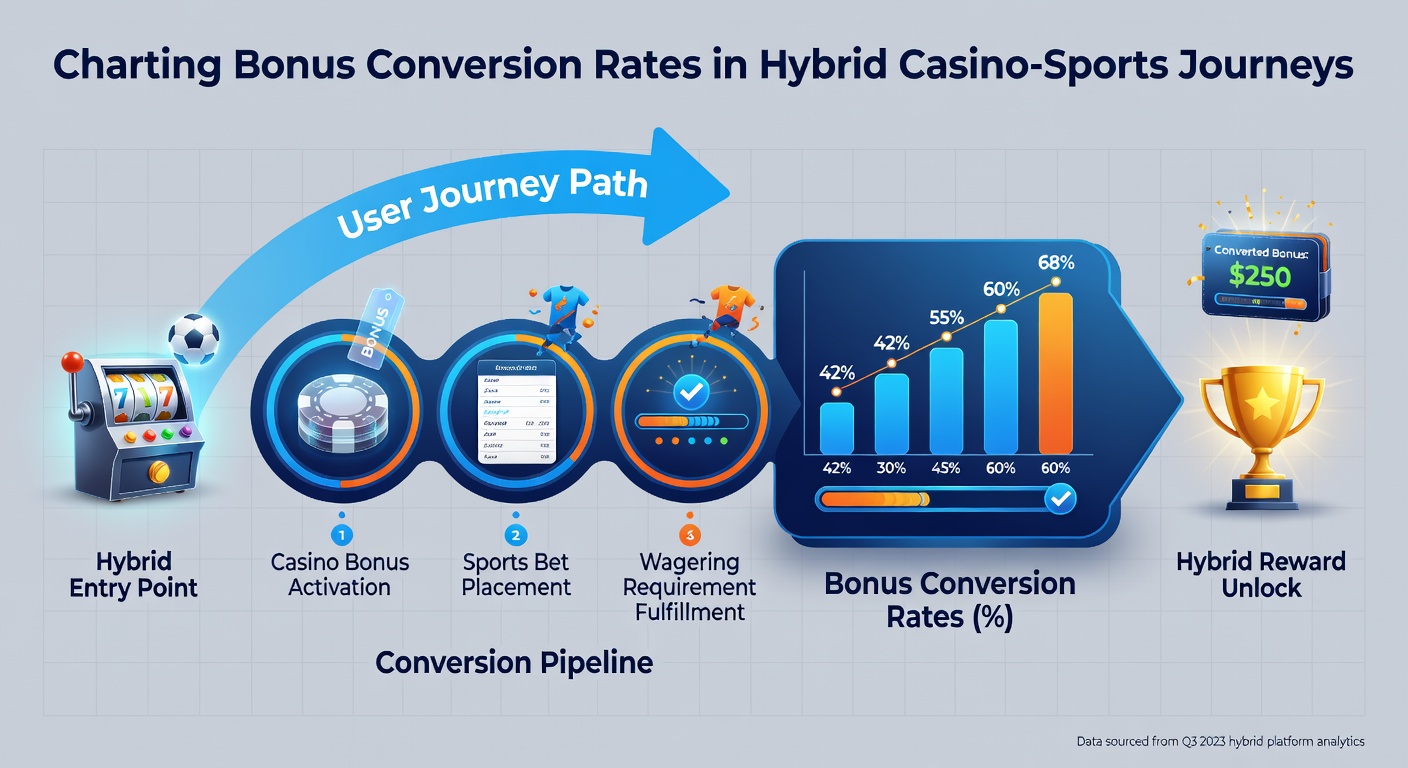
Operators in Australia apply distinct tax treatments to casino and sports turnover, which encourages separate bonus pools rather than unified credits. This separation produces lower hybrid conversion figures because players often exhaust one pool before accessing the other. Figures released by state authorities in New South Wales during May 2026 indicated a 27 percent hybrid share among all bonus redemptions, down from 34 percent the previous year.
Player Behavior Patterns
Transaction heat maps indicate most hybrid movement occurs between 8 pm and midnight local time when live sports markets overlap with high-volume slot sessions. Players who complete 80 percent of casino playthrough before switching maintain conversion rates near 55 percent, whereas those who switch earlier average 31 percent. Loyalty program tiers modify these outcomes because higher-tier accounts receive extended expiry windows and reduced minimum odds thresholds.
Case examples compiled by compliance teams show that one large European operator adjusted its contribution matrix in February 2026 after internal data revealed a 19 percent conversion gap between desktop and mobile hybrid paths. Mobile users converted more frequently once the operator removed an extra confirmation step during vertical transfers.
Tools for Tracking and Optimization
Modern dashboards combine API feeds from casino engines and sports books to generate unified bonus ledgers. These systems flag when remaining credits fall below viable stake sizes for popular sports markets, prompting automated suggestions for alternative selections. Third-party analytics firms supply benchmarking reports that compare an operator’s conversion performance against anonymized peer averages segmented by bonus size and vertical sequence.
Regulatory filings from several U.S. states now require disclosure of average days to clearance for hybrid bonuses, providing an additional layer of transparency that was absent before 2025 rule changes.
Conclusion
Conversion metrics remain central to how operators design and refine promotional structures that span casino and sports environments. Consistent data collection, regional reporting differences, and platform-level mechanics together determine the efficiency of these hybrid journeys. Continued monitoring through 2026 and beyond supplies the factual basis for adjustments that align player activity with operator compliance requirements across multiple markets.