Refining Stake Distribution via Volatility Analysis Across Linked Event Markets
Xander Flores · Aug 12, 2026
Refining Stake Distribution via Volatility Analysis Across Linked Event Markets
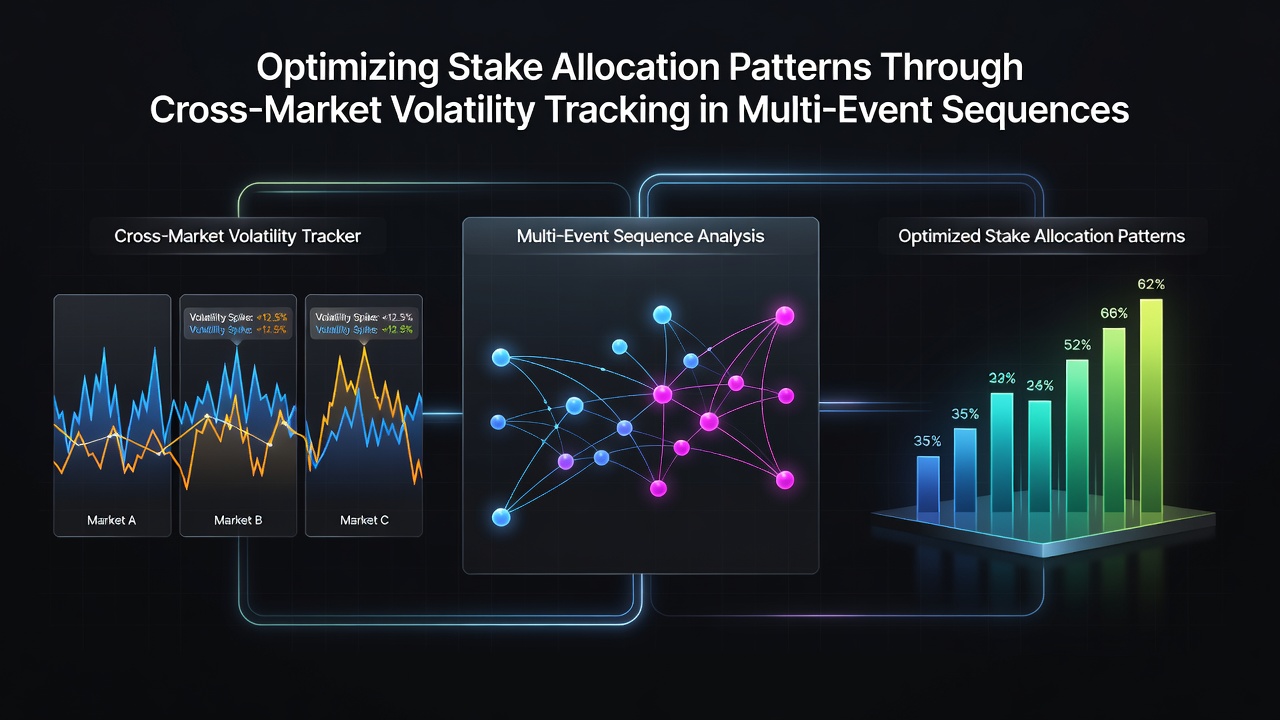
Stake allocation in multi-event sequences requires careful monitoring of volatility patterns that span different markets and unfold over time, with observers noting that cross-market data helps identify shifts in risk exposure before positions are adjusted. Researchers have examined how volatility in one event often correlates with movements in related markets, creating opportunities for reallocation that maintain balance across an entire sequence rather than treating each event in isolation.
Understanding Cross-Market Volatility Dynamics
Volatility tracking begins with collecting real-time metrics from multiple event types, and data shows that price swings in one market frequently precede similar movements elsewhere when underlying factors overlap. Experts at institutions such as the International Gaming Institute have documented these linkages in sequential betting environments, where a sudden change in odds for an early match can signal adjustments needed for later events in the same series. Those who've studied the patterns emphasize that isolated analysis misses these connections, while integrated tracking reveals them through statistical models that compare historical sequences against current conditions.
In August 2026, upcoming multi-sport calendars are expected to feature overlapping schedules that amplify these cross-market effects, and figures from industry reports indicate increased trading volume during such periods. Analysts apply filters to separate noise from meaningful signals, using metrics like standard deviation across rolling windows and correlation coefficients between paired markets. This approach allows allocation models to respond to emerging volatility clusters rather than reacting after the fact.
Allocation Patterns and Adjustment Mechanisms
Effective patterns often involve tiered staking that scales exposure based on detected volatility levels, with higher allocations directed toward segments showing stable correlations and reduced stakes in areas prone to rapid divergence. Studies have found that dynamic rebalancing during a sequence can preserve capital when early events exhibit unexpected swings, while later positions benefit from updated probability estimates derived from the same data stream. People implementing these methods frequently combine automated alerts with manual oversight to ensure adjustments align with predefined risk thresholds.
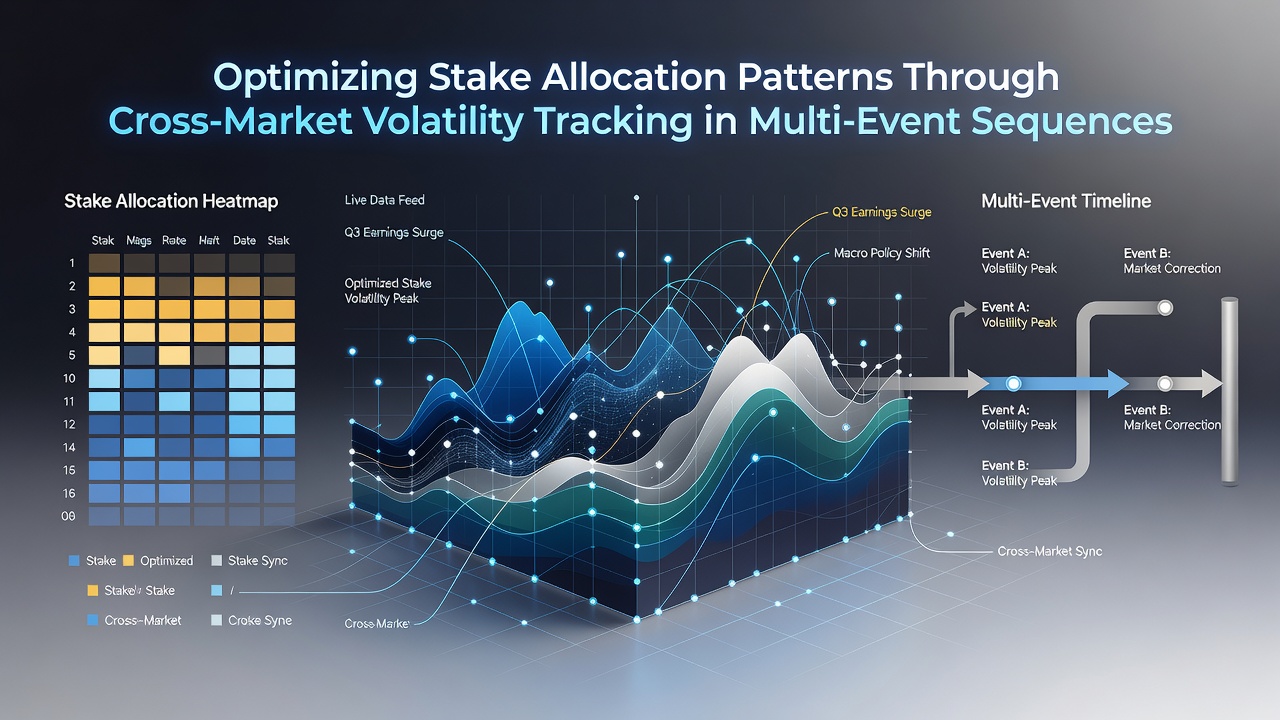
One documented case involved a sequence of tennis matches where initial volatility in underdog outcomes prompted a shift of stakes toward more predictable later rounds, and subsequent results confirmed the value of that reallocation. Similar tactics appear in horse racing circuits and team sports where multi-leg bets create chained dependencies. Data indicates that sequences spanning several days benefit most from daily recalibration, as overnight information flows can alter volatility profiles before the next event begins.
Tools, Data Sources and Implementation Considerations
Software platforms that aggregate feeds from diverse markets enable the continuous comparison required for this form of tracking, and research from Canadian academic centers has highlighted the role of machine learning classifiers in distinguishing transient spikes from sustained trends. Regulatory bodies such as the International Association of Gaming Regulators have issued guidance on data integrity standards that support reliable volatility measurement across jurisdictions. Observers note that combining public statistics with proprietary indicators yields more robust signals, particularly when sequences include both high-liquidity and niche events.
Implementation typically starts with baseline volatility maps built from historical multi-event data, after which live inputs trigger incremental adjustments. Those applying the method in practice report that maintaining separate volatility buffers for each market segment prevents over-concentration during correlated downturns. As sequences progress through August 2026 fixtures, the volume of available data is projected to rise, giving models richer inputs for pattern recognition and allocation fine-tuning.
Conclusion
Cross-market volatility tracking supplies a structured framework for stake allocation in multi-event sequences by highlighting interdependencies that single-market approaches overlook. Continued refinement of these methods rests on expanding datasets and improved analytical tools that capture evolving correlations in real time.