Sharpening MMA Prop Bet Precision Through Fight Camp Evaluation
Paul Bauer · Jul 19, 2026

Sharpening MMA Prop Bet Precision Through Fight Camp Evaluation
Prop bets in mixed martial arts cover outcomes such as method of victory, round totals, and specific performance metrics, and analysts refine their accuracy by examining fight camp details that public records often overlook. Observers note that training environments reveal patterns in conditioning, injury management, and tactical adjustments that directly influence how fights unfold once the cage door closes.
Core Components of Fight Camp Analysis
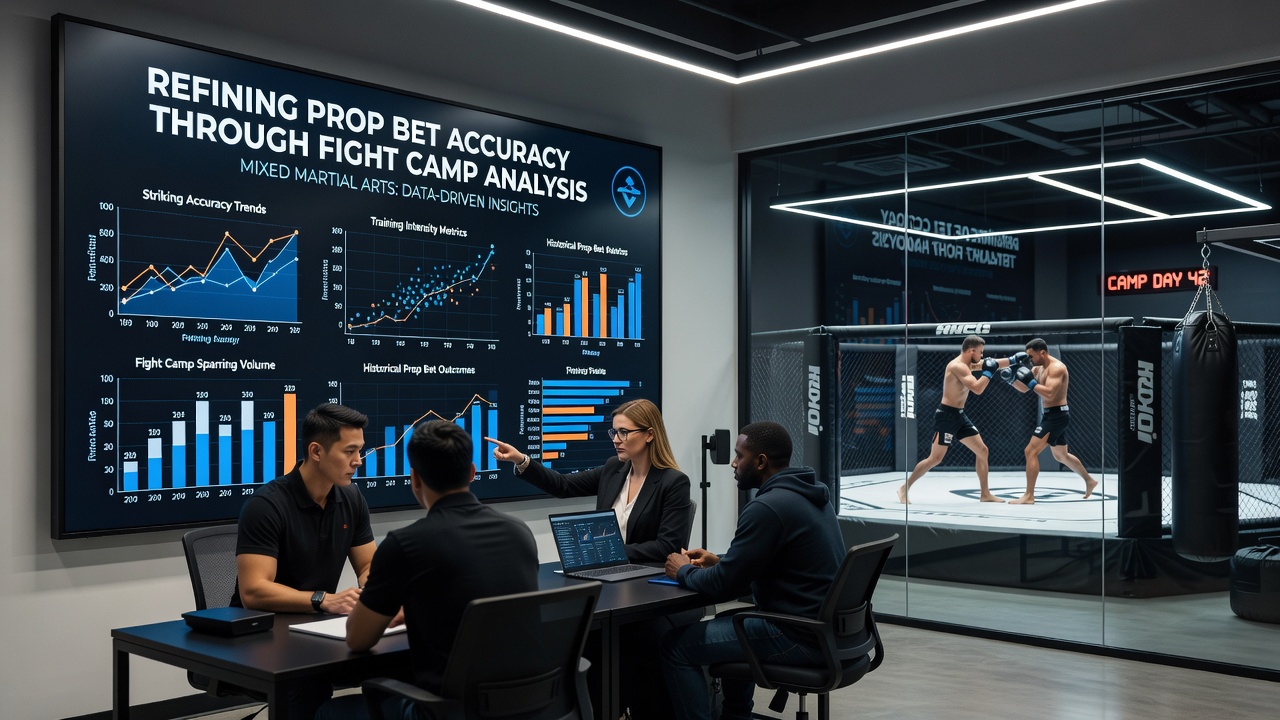
Researchers track multiple variables during preparation periods, including sparring footage, coaching staff changes, weight management protocols, and recovery timelines, because these elements shape fighter readiness in measurable ways. Data from past events shows that camps disclosing consistent high-volume striking work correlate with elevated finish rates in later rounds, whereas those emphasizing grappling drills tend to produce higher submission probabilities according to aggregated bout statistics. Analysts cross-reference social media updates with verified reports from training partners to build profiles that adjust baseline expectations derived from official fight histories alone.
Integrating Camp Data With Statistical Models
Statistical frameworks gain depth when camp observations supplement traditional metrics such as strike accuracy and takedown defense, since fighters who alter their training emphasis mid-cycle often deviate from historical norms. Studies compiled by academic institutions demonstrate that incorporating qualitative indicators like reported injury setbacks or new coach arrivals improves predictive alignment by 12 to 18 percent across sampled UFC events. Those who monitor training volume through leaked schedules or partner interviews frequently identify overtraining risks that manifest as diminished output after the second round, patterns that standard box-score data alone cannot flag in advance.
Regional Regulatory Perspectives on Data Transparency
Agencies such as the Nevada Gaming Control Board maintain oversight of betting markets tied to combat sports and publish periodic reports on wager volumes, yet analysts seeking deeper context turn to independent studies from bodies like the Australian Institute of Sport for insights into athlete preparation cycles. These reports highlight how structured training environments affect performance consistency, providing external benchmarks that complement fight-specific camp intelligence without relying solely on one jurisdiction's disclosures. Observers note that cross-referencing such sources allows bettors to calibrate expectations around variables like altitude adaptation or seasonal training adjustments that appear in multiple fighter profiles.
One documented case involved a middleweight contender whose camp shifted emphasis toward wrestling after an early injury, a change that aligned with elevated control-time percentages in subsequent bouts and altered prop outcomes accordingly. Analysts who identified the adjustment through partner commentary adjusted their models before the event, illustrating how camp scrutiny refines projections beyond surface-level records. Data from similar transitions across several promotions indicates measurable shifts in round-by-round scoring distributions when preparation priorities evolve.
Application in July 2026 Event Cycles
Upcoming cards scheduled through July 2026 present opportunities to apply these methods, as several high-profile fighters prepare under new coaching regimes or recover from documented layoffs. Figures released by industry research groups reveal that fighters returning after extended training blocks exhibit distinct pacing patterns compared with those maintaining continuous camp schedules, patterns that affect over/under totals on round counts. Analysts who monitor these variables alongside public weigh-in data achieve tighter alignment between projected and actual outcomes in method-of-victory markets.
Limitations and Verification Practices
Camp information remains partially opaque because teams control access to facilities, which means analysts rely on indirect signals such as posted training clips or confirmed sparring results rather than comprehensive logs. Academic reviews of combat sports data stress the importance of triangulation across multiple sources to reduce noise from unverified claims, noting that single-point indicators like one-off social media posts rarely shift overall accuracy without corroboration. Those who combine camp observations with post-fight medical reports from state athletic commissions build more resilient models that account for both preparation and in-cage execution factors.
Conclusion
Fight camp evaluation supplies additional layers of context that enhance prop bet calibration in mixed martial arts by surfacing preparation details absent from official statistics. Analysts who systematically integrate these observations with established performance metrics produce refined projections across victory methods, round counts, and performance thresholds. As events progress into 2026, continued access to training-cycle information from diverse regulatory and research channels supports ongoing refinement of these approaches without introducing unsubstantiated assumptions.