Synchronizing Odds Across Bookmakers for Strategic Parlays in Global Football Tournaments
Xander Flores · Jul 31, 2026
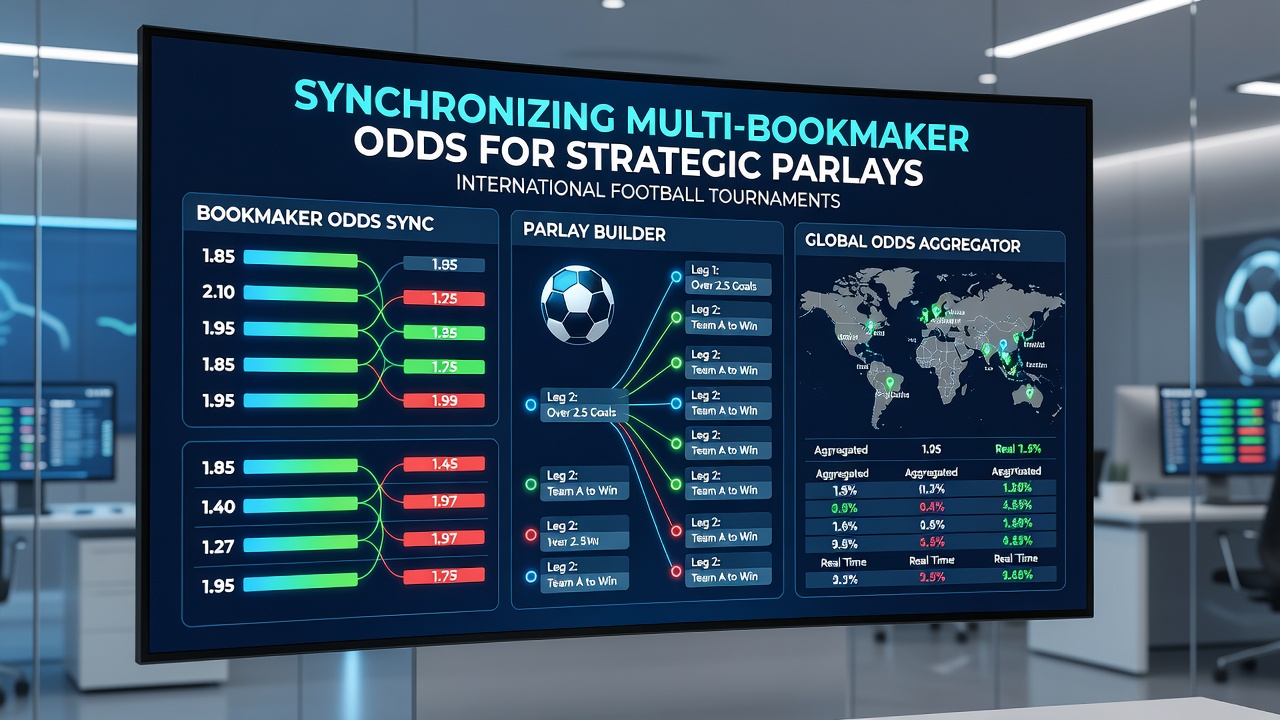
Synchronizing Odds Across Bookmakers for Strategic Parlays in Global Football Tournaments
International football tournaments create layered betting markets where lines shift rapidly across different operators, and synchronizing those lines allows bettors to construct parlays that combine selections with better combined value than any single platform offers. Data from major events shows that odds on the same match can vary by 5 to 12 percent between licensed operators, particularly during group stages when volume spikes and bookmakers adjust limits independently. Observers note that this variance becomes most pronounced in knockout rounds, where live updates and hedging activity create temporary windows for cross-platform alignment.
Core Mechanics of Multi-Bookmaker Comparison
Professional bettors track opening lines, movement patterns, and closing odds from several operators simultaneously, then record the best available price for each leg before locking the parlay. Researchers at sports analytics centers have documented that this process requires timestamped data feeds rather than manual refreshes, because even a two-minute delay can erase an edge when liquidity is high. In July 2026, during the FIFA World Cup group phase, multiple fixtures per day will generate overlapping markets that reward those who maintain synchronized spreadsheets or dedicated comparison software.
One study released by the University of Nevada, Las Vegas gaming research unit examined European tournament data and found that bettors who compared at least four operators before finalizing a four-leg parlay improved their average payout by 7.8 percent compared with single-bookmaker selections. The same report highlighted that margin differences widen most on underdog outcomes and draw selections, where some operators price more conservatively than others to manage liability.
Practical Synchronization Techniques
Automated alert systems now pull real-time prices from multiple sources and flag discrepancies above a chosen threshold, allowing users to act before lines converge. Those who have tested these tools report that setting alerts for specific tournament matches rather than broad leagues reduces noise and focuses attention on high-volume periods. Another approach involves maintaining separate accounts with operators that specialize in different regions, because Latin American bookmakers sometimes price South American teams differently than their European counterparts during Copa América or World Cup qualifiers.
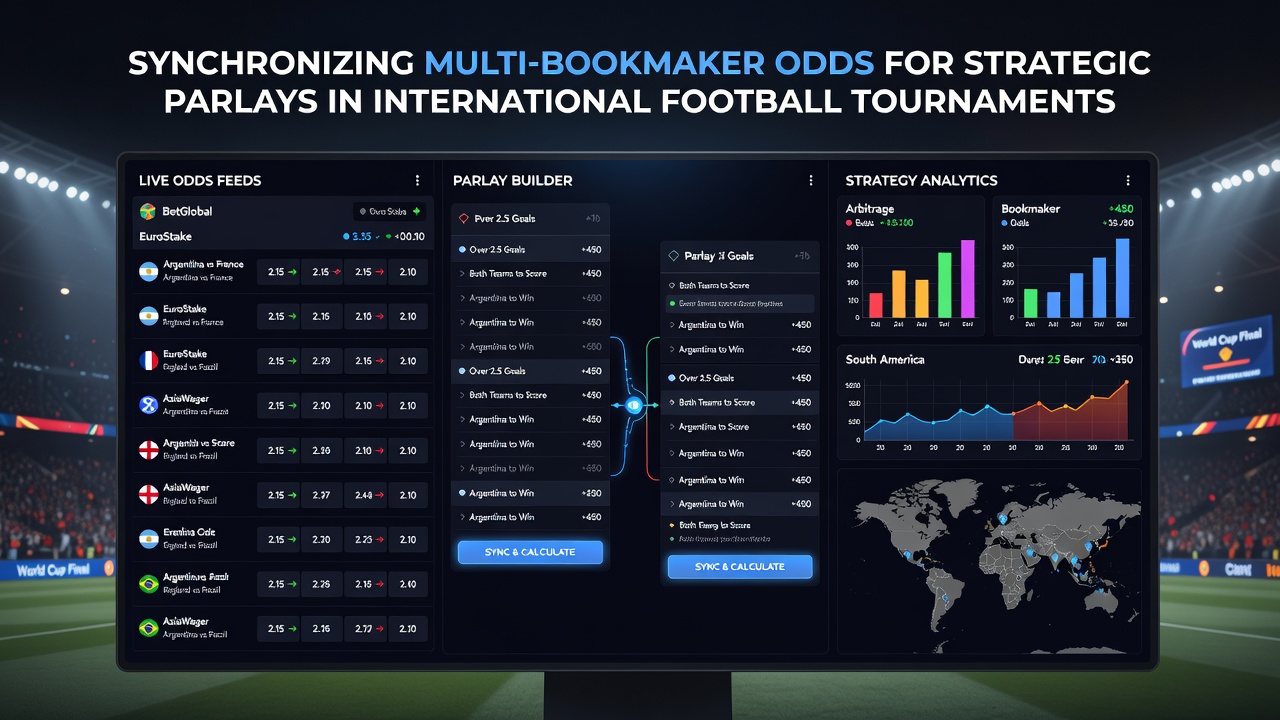
According to figures published by the American Gaming Association, cross-border tournament betting volumes rose 22 percent during the previous World Cup cycle, with a measurable portion attributed to bettors who actively shopped lines. That growth has prompted operators to tighten synchronization windows, yet gaps still appear when one platform receives late information from pitch conditions or team news.
Constructing Tournament Parlays with Aligned Odds
A typical strategic parlay might combine a group-stage favorite at one operator, a draw selection at another, and an over-total from a third where the line has not yet moved in response to public money. The key remains verifying that each leg reflects the highest available decimal or fractional price at the moment of placement, then confirming stake limits across accounts to avoid partial fills. Data indicates that five-leg tournament parlays carry higher variance than three-leg combinations, yet the payout differential from synchronized odds can offset that variance when the underlying probabilities remain consistent.
During the 2026 World Cup knockout stages, live betting windows will open after each match begins, creating additional opportunities to swap legs mid-tournament if an early goal shifts the remaining markets favorably across platforms. Those who monitor multiple feeds simultaneously have documented instances where one operator suspended a market while another continued trading, allowing a quick switch that preserved the parlay structure.
Risk Controls and Data Verification
Regulatory bodies in several jurisdictions now require operators to publish settlement rules for tournament-specific contingencies such as abandoned matches or postponed fixtures, which affects parlay grading when one leg is sourced from a different bookmaker. Bettors who review these rules in advance avoid disputes that arise when one platform applies a different voidance policy than another. The Victorian Responsible Gambling Foundation in Australia has published guidance on multi-operator betting that emphasizes record-keeping of all odds at the time of placement to support any later queries.
Software solutions that export odds histories into spreadsheets allow retrospective analysis of how often the best price was captured versus how often lines converged before placement. Such reviews show that consistent synchronization improves long-term return rates even when individual parlays lose, because the edge compounds across volume rather than relying on single-event outcomes.
Conclusion
Synchronizing odds across multiple bookmakers requires disciplined data capture, timely execution, and awareness of each operator's settlement policies, especially during the compressed schedule of an international football tournament. When executed methodically, teh approach converts small pricing differences into measurable advantages for multi-leg parlays without altering the underlying match probabilities. As tournament calendars expand in 2026, those who maintain accurate cross-platform records and act within narrowing windows continue to document improved combined returns on their selections.