Tiered Reward Systems in Virtual Sports Platforms Shape Engagement Structures
Drew Butler · Jun 10, 2026
Tiered Reward Systems in Virtual Sports Platforms Shape Engagement Structures
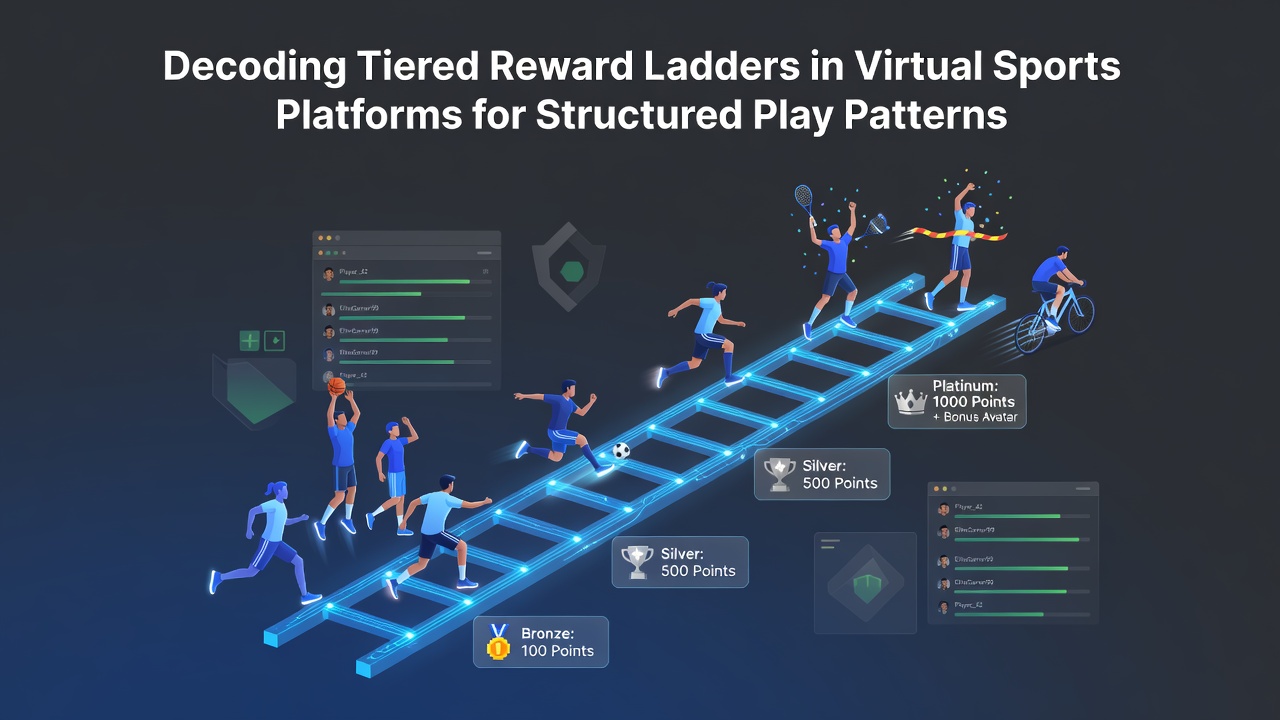
Virtual sports platforms incorporate tiered reward ladders that organize player activity into progressive levels based on accumulated play metrics such as wager volume, session frequency, and consistency over defined periods. These systems assign participants to categories like entry, intermediate, and advanced tiers, with each stage unlocking specific incentives including bonus credits, enhanced odds adjustments, and priority access to simulated events. Operators design these ladders to align player behavior with predictable sequences, creating measurable patterns in how individuals interact with virtual football, tennis simulations, and other digital athletic formats.
Mechanics Behind Tier Progression
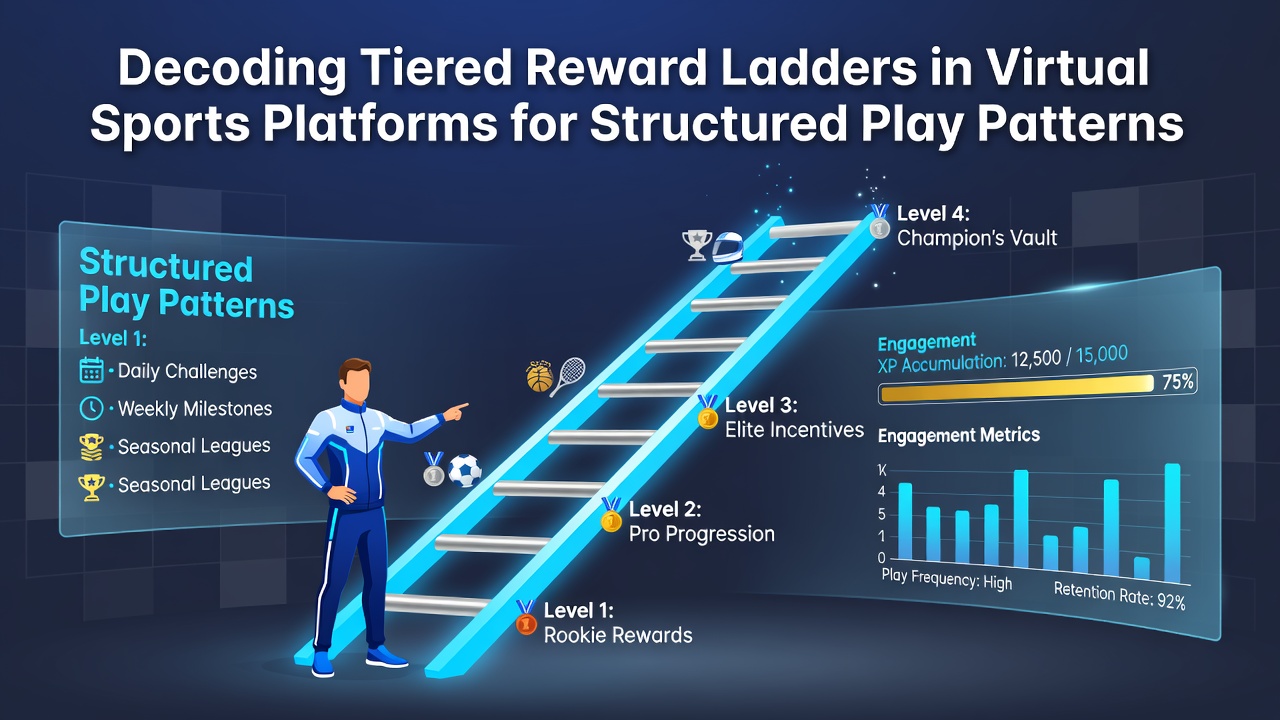
Platforms calculate tier advancement through algorithms that track real-time data points including total staked amounts, number of completed virtual matches, and retention across weekly or monthly cycles. Advancement occurs automatically once thresholds are met, and participants receive notifications detailing the next set of requirements along with current benefits. Researchers at institutions studying digital gaming interfaces have documented how these calculations favor steady accumulation rather than sporadic large inputs, which leads to more uniform distribution of activity across days of the week.
Entry-level tiers typically deliver basic multipliers on winnings or small allocation of virtual event entries, while higher tiers introduce compounded returns such as cashback percentages that scale with continued participation. Data collected through platform analytics reveals that players who maintain consistent daily or every-other-day engagement reach intermediate tiers faster than those with irregular schedules. This structure encourages the formation of repeatable routines because the reward increments become more substantial only after sustained sequences are established.
Structured Play Patterns and Platform Design
Virtual sports environments differ from traditional betting because events run continuously on algorithmic schedules, allowing users to engage at any hour without waiting for real-world fixtures. Tiered systems capitalize on this availability by setting time-bound challenges that reward participation during specific windows, such as peak evening hours or weekend blocks. Observers note that these challenges often bundle multiple virtual matches into sequences, prompting users to complete linked activities within single sessions to maximize points toward the next tier.
June 2026 platform updates introduced refined tracking for multi-event combinations, where completing a set number of virtual races or matches in succession grants accelerated progress. Figures from industry monitoring groups indicate that such features increased average session lengths by measurable margins while distributing activity more evenly across the calendar month. Participants who follow these patterns accumulate tier points at rates that outpace those using random access methods.
Regional Regulatory Contexts and Data Sources
Regulatory frameworks in various jurisdictions require transparency around how reward ladders operate and what data operators collect to determine tier status. The Responsible Gambling Council in Canada has published analyses of loyalty mechanics across digital platforms, highlighting the need for clear disclosure of progression criteria. Similar examinations appear in reports from the American Gaming Association, which track how structured incentives influence session frequency in simulated sports products.
These reports show that tiered systems generate distinct behavioral clusters: one group advances steadily through moderate daily engagement, another reaches higher tiers through concentrated weekly efforts, and a smaller segment oscillates between levels depending on promotional timing. Platform operators adjust ladder thresholds seasonally to maintain equilibrium between accessibility adn exclusivity, ensuring that the majority of active users experience at least one advancement within a quarter.
Implementation Across Different Virtual Formats
Virtual horse racing platforms apply tier rewards by counting completed races and total distance simulated, whereas virtual soccer environments emphasize goal-related outcomes and match completions. Both formats feed the same overarching ladder, allowing cross-format accumulation that broadens participation options. Analysts examining usage logs find that players who diversify across formats often stabilize at mid-to-upper tiers more consistently because they can optimize activity around their preferred event schedules.
Technical integrations with mobile applications further support these patterns by sending reminders aligned with upcoming virtual event cycles and displaying remaining requirements for the next tier. Such features reduce friction in maintaining momentum and contribute to the observed regularity in play distribution throughout the month.
Conclusion
Tiered reward ladders in virtual sports platforms function as organizational frameworks that translate player metrics into escalating benefits while promoting consistent interaction sequences. Data from multiple regulatory and industry bodies demonstrates measurable impacts on engagement timing and format selection. As platforms continue refining these systems through 2026 and beyond, the resulting play patterns remain tied directly to the structure of advancement criteria and the availability of continuous virtual events.