Weather-Calibrated Analytics Track Accumulator Outcomes in Outdoor Track Events
Paul Bauer · Jul 3, 2026
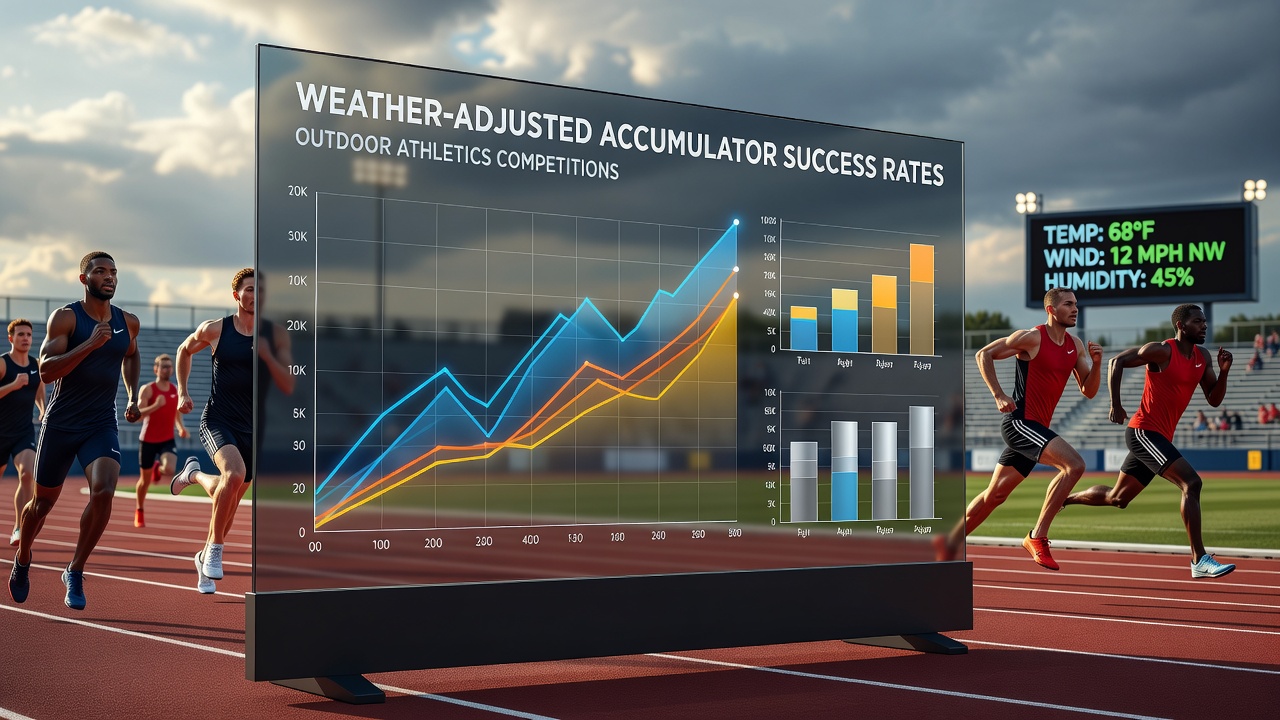
Weather-Calibrated Analytics Track Accumulator Outcomes in Outdoor Track Events
Outdoor athletics competitions present unique variables that influence event results, and weather stands out as a primary factor reshaping performance data across sprints, distance races, and field events. Accumulator bets, which combine multiple selections into single wagers, gain complexity when models incorporate meteorological adjustments to refine success projections. Data from major meets demonstrate how wind speeds above 2 meters per second alter sprint times while temperature shifts affect endurance events by measurable margins according to records compiled by athletics governing bodies.
Researchers at institutions focused on sports science have developed frameworks that integrate real-time weather inputs into historical performance databases. These systems adjust expected outcomes for variables such as humidity levels, precipitation rates, and barometric pressure, producing revised probability estimates for multi-leg accumulator structures. One analysis of European track meets revealed that adjusted models improved outcome alignment by accounting for tailwinds that boost 100-meter times while headwinds extend them in comparable conditions.
Core Weather Variables in Athletics Modeling
Wind direction and velocity exert immediate effects on track events, with standardized measurements at official competitions providing consistent data points for calibration. Temperature ranges influence muscle function and oxygen uptake, leading modelers to apply correction coefficients derived from physiological studies. Precipitation introduces surface friction changes on tracks and runways, prompting separate adjustment layers within predictive algorithms that process these inputs sequentially.
Analysts cross-reference datasets from sources including the National Oceanic and Atmospheric Administration to align competition-day readings with long-term performance archives. This process yields refined baselines for accumulator calculations that span multiple disciplines in a single meet. Observers note stronger correlations emerge when models segment data by event type rather than applying uniform adjustments across all categories.
Model Construction and Data Integration
Teams constructing weather-adjusted frameworks begin with regression techniques that weight meteorological factors against verified results from prior seasons. Machine learning components then refine these weights through iterative testing on archived competition logs. The resulting outputs feed into accumulator simulators that calculate cumulative probabilities while flagging combinations sensitive to specific forecast thresholds.
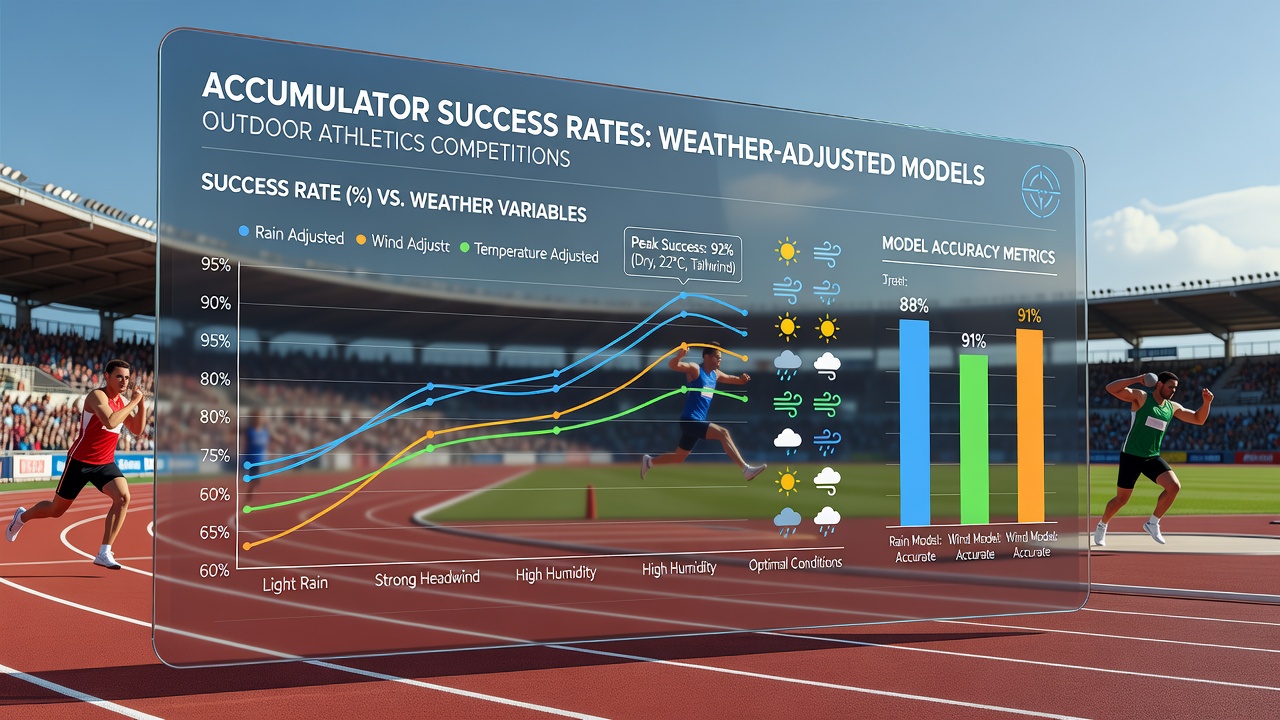
Integration occurs through layered pipelines that pull live feeds alongside static athlete profiles. Validation steps compare model forecasts against actual results from controlled test sets, revealing accuracy gains when humidity and temperature interact within the same equation set. Figures from Australian sports analytics groups show comparable improvements during their domestic season when similar calibration methods receive application.
Application During 2026 Competition Windows
July 2026 schedules include several high-profile outdoor meets where variable conditions are anticipated across venues. Model operators apply updated parameters derived from spring training data to project accumulator viability under expected July climate patterns. These projections incorporate regional forecast variances, allowing differentiation between coastal events prone to humidity spikes and inland sites where temperature swings dominate.
Performance tracking during this period draws on synchronized weather stations positioned at competition sites. Data streams feed directly into monitoring dashboards that flag deviations from modeled baselines in real time. European athletics federations have adopted parallel reporting standards that facilitate cross-meet comparisons of adjusted accumulator metrics.
Comparative Performance Across Regions
North American datasets processed through Environment and Climate Change Canada resources highlight distinct adjustment needs for altitude-influenced meets compared with sea-level events. Models calibrated on these inputs produce region-specific outputs that diverge from those generated for European circuits. Canadian researchers documented variance reductions when altitude corrections combine with temperature factors in unified formulas.
Cross-regional studies further illustrate how precipitation models require localization because track surface compositions differ by venue. Accumulator structures spanning multiple continents benefit from modular adjustments that swap regional coefficients without rebuilding entire frameworks. This modularity supports consistent application during global championship cycles.
Conclusion
Weather-adjusted modeling continues to refine accumulator success tracking through systematic incorporation of meteorological data into athletics performance records. Frameworks developed across multiple research centers demonstrate measurable alignment improvements when calibrated against verified competition outcomes. Ongoing data collection from 2026 events supplies additional validation points that strengthen these approaches for future application cycles.